
How to Choose the Right Size Orthopedic Dog Bed for Your Breed (With Size Chart)

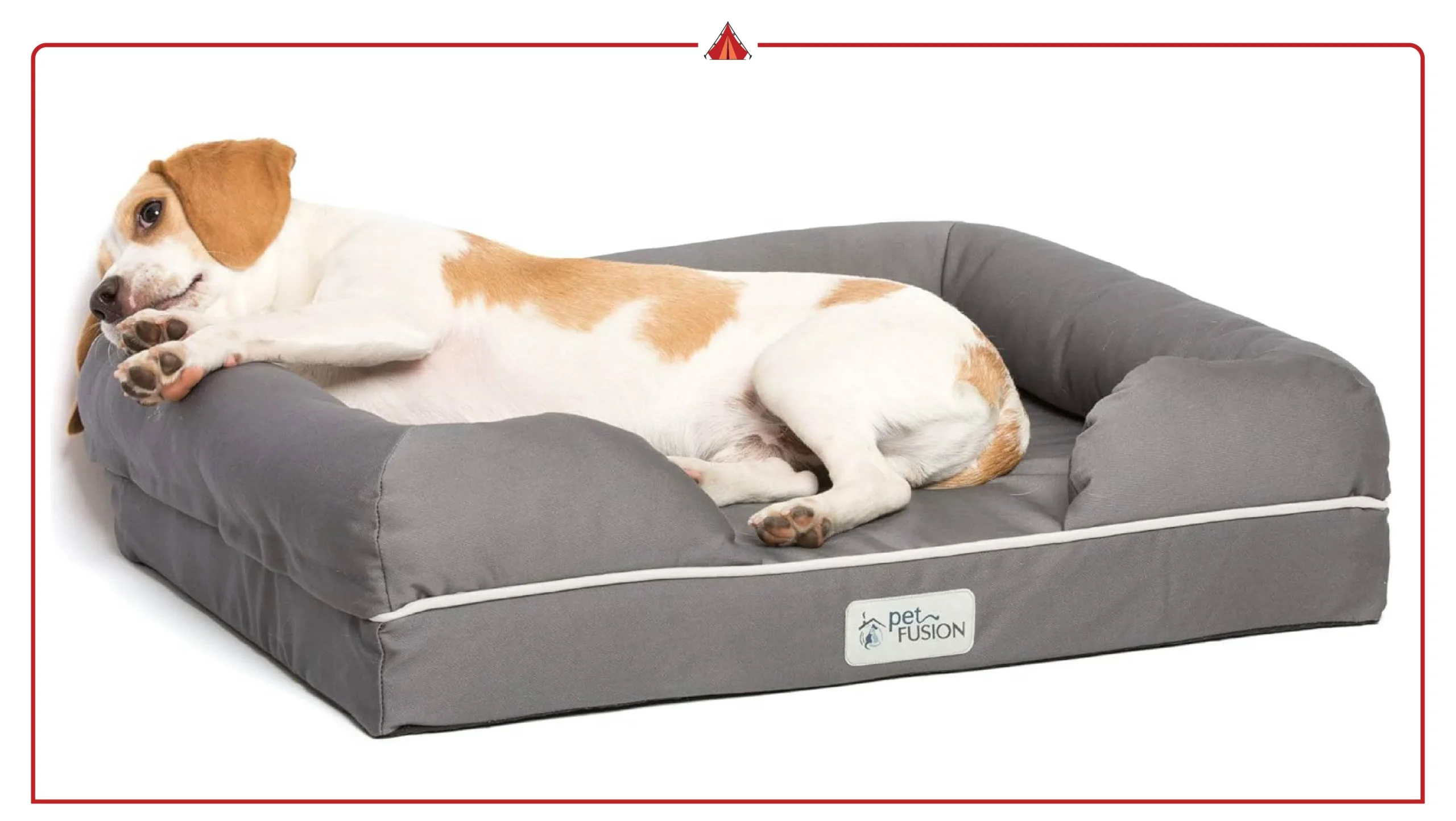
Why Size Matters for Orthopedic Dog Beds
When shopping for an orthopedic dog bed, most people focus on the material—memory foam, waterproof covers, or durability. While those details matter, the very first thing that determines whether your dog will actually benefit from the bed is the size you choose.
A bed that’s too small forces your dog to curl up unnaturally, which can make joint pain worse instead of easing it. On the other hand, a bed that’s far too big may not give them the snug, supportive feel they instinctively look for when resting. The right size ensures your dog’s body weight is evenly supported, joints are cushioned, and they can stretch out in comfort without sinking into a flat spot.
If you have a growing puppy, a senior dog with arthritis, or a large breed prone to hip dysplasia, getting the right fit isn’t just about comfort—it’s about long-term health. In this guide, we’ll walk through exactly how to measure your dog, match it to the correct bed size, and recommend orthopedic beds designed for specific breeds and needs. By the end, you’ll know which bed size is the right investment for your dog’s comfort and well-being.
Table of Contents:
- Key Factors to Consider Before Buying ↴
- Orthopedic Dog Bed Size Chart by Breed ↴
- Best Orthopedic Dog Beds by Size ↴
- Memory Foam vs Egg Crate Foam ↴
- Common Mistakes When Choosing Size ↴
- Step-by-Step Buying Checklist ↴
- Frequently Asked Questions ↴
- Final Recommendations ↴
Key Factors to Consider Before Buying
Before pulling the trigger on an orthopedic dog bed, it helps to look beyond the breed label or “small/medium/large” tag. Dogs have different habits, body shapes, and health needs, and these all play a role in what size bed will actually work. Here are the main things to think about:
1. Your Dog’s Weight and Breed Type
Weight is one of the biggest factors in bed performance. A German Shepherd that weighs 80 pounds will compress foam differently than a 20-pound Boston Terrier. Many brands list weight recommendations for each bed size, so it’s worth double-checking those against your dog’s current weight.
2. Sleeping Position
Pay attention to how your dog naturally rests. Sprawlers who like to stretch out flat will need more length and width, while curlers who tuck themselves into a ball can often go with a slightly smaller size. Getting this right makes the difference between a bed that feels cramped and one that feels inviting.
3. Age and Growth Stage
If you’re buying for a puppy, consider their adult size. It’s usually better to size up so the bed lasts, especially if you’re investing in a higher-quality orthopedic option. Senior dogs, meanwhile, may need extra surface area to comfortably shift positions when joints feel stiff.
4. Where the Bed Will Go
Measure the space where you plan to keep the bed—whether it’s in a crate, beside the couch, or in the corner of a bedroom. A perfectly sized bed won’t help much if it doesn’t fit the spot you have in mind.
5. Crate Compatibility
If you want the orthopedic bed inside a crate, match both the bed and crate dimensions carefully. A bed that’s too snug may bunch up, while one that’s too small can slide around and defeat the purpose of joint support.
By weighing these factors together, you’ll get a clearer idea of the size range you need before even looking at specific products. Next, we’ll make things easier with a full orthopedic dog bed size chart broken down by breed and weight.
Read Next: Ultimate Buyer’s Guide to the Best Orthopedic Dog Beds for Every Breed and Budget
Orthopedic Dog Bed Size Chart by Breed
Every dog is different, but having a size reference by breed takes a lot of the guesswork out of buying. Below is a general orthopedic dog bed size chart to help you quickly match your dog’s weight and breed with the right bed dimensions.
| Breed Example | Dog Weight | Recommended Bed Size |
|---|---|---|
| Chihuahua, Dachshund, Pug | Up to 20 lbs | Small (24”–30”) |
| Beagle, Cocker Spaniel, French Bulldog | 20–40 lbs | Medium (30”–36”) |
| Border Collie, Australian Shepherd, Bulldog | 40–60 lbs | Large (36”–42”) |
| Labrador, Golden Retriever, German Shepherd | 60–90 lbs | XL (42”–48”) |
| Great Dane, Mastiff, Saint Bernard | 90+ lbs | XXL (48”–54”) |
How to Use This Chart
- Check your dog’s current weight and compare it against the ranges above.
- Measure from nose to base of tail while your dog is lying flat, then add 6–12 inches to ensure room for stretching.
- Match those numbers with the chart to choose the right size category.
- If your dog is in between sizes, go bigger—orthopedic foam works best when there’s room to spread out.
Quick Example
- A 65-pound Labrador that loves to sprawl will do best in an XL bed around 42”–48”.
- A 15-pound Dachshund that curls tightly can rest comfortably in a Small bed, but may appreciate a Medium if you want to future-proof the purchase.
This sizing chart serves as a starting point, but breed tendencies and individual sleeping habits should always guide your final decision. In the next section, we’ll look at some of the best orthopedic beds in each size category, so you can match the chart with a top-rated product.
Read Next: Best Orthopedic Dog Beds for Large Breeds with Hip Dysplasia (Buyer’s Guide + Reviews)
Best Orthopedic Dog Beds by Size
Now that you know which size range fits your dog, let’s look at some of the top-rated orthopedic beds in each category. These picks balance comfort, durability, and value, while also matching the size needs of different breeds.
Best Orthopedic Dog Bed for Small Breeds
Example Product: PetFusion Ultimate Small Orthopedic Dog Bed
- Why it’s great: Perfect for Dachshunds, Pugs, and Chihuahuas, this bed uses solid memory foam to cushion joints while still feeling cozy for smaller frames. The bolstered sides give curlers extra support around the neck and back.
- Pros: Washable cover, non-skid bottom, supportive foam
- Cons: Might feel snug for dogs on the upper end of “small” sizing
- Best for: Small dogs that like to curl up or lean against bolsters
Best Orthopedic Dog Bed for Medium Breeds
Example Product: Furhaven Orthopedic Sofa-Style Dog Bed

- Why it’s great: A sofa-style design gives Beagles and French Bulldogs plenty of lounging space while still providing firm orthopedic support. The L-shaped bolster makes it easy for medium dogs to sprawl or curl up.
- Pros: Affordable, machine-washable cover, multiple colors
- Cons: Not chew-proof
- Best for: Medium-sized dogs who like to sprawl and need gentle joint support
Best Orthopedic Dog Bed for Large Breeds
Example Product: Big Barker 7-Inch Pillow Top Orthopedic Dog Bed

- Why it’s great: Specifically engineered for large breeds like Labradors and German Shepherds, the Big Barker is famous for its thick, high-density foam that doesn’t flatten over time. It’s often recommended by vets for dogs with hip and joint issues.
- Pros: Extremely durable foam, 10-year warranty, washable cover
- Cons: Higher price point
- Best for: Large dogs with arthritis, hip dysplasia, or joint stiffness
Best Orthopedic Dog Bed for Extra-Large Breeds
Example Product: KOPEKS Jumbo Orthopedic Memory Foam Dog Bed

- Why it’s great: Designed for giant breeds like Great Danes and Mastiffs, this jumbo-sized bed provides thick memory foam that keeps heavy dogs lifted off the floor. The waterproof liner and washable cover make maintenance easy.
- Pros: Waterproof, spacious, excellent joint support
- Cons: Takes up significant floor space
- Best for: Extra-large or giant dogs that need maximum surface area and support
Tip: If your dog is between two sizes, always size up. Orthopedic foam performs best when your dog has enough space to stretch out without hanging off the edges.
Read Next: Top 10 Affordable Orthopedic Dog Beds Under $100 (Budget Buyer’s Guide)
Memory Foam vs Egg Crate Foam: Which Orthopedic Dog Bed Is Better?
One of the most common questions buyers face is whether to go with memory foam or egg crate foam. Both are marketed as “orthopedic,” but they aren’t equal in terms of support and durability. Here’s how they compare:
| Feature | Memory Foam | Egg Crate Foam |
|---|---|---|
| Support | Provides even weight distribution; excellent for dogs with arthritis or hip dysplasia | Softer, lighter support; suitable for younger or small dogs |
| Durability | High-density foam lasts for years without flattening | Compresses faster, may need replacement sooner |
| Comfort | Firm yet cushioned; adapts to body shape | Breathable and lightweight; good airflow for warmer climates |
| Best For | Large breeds, senior dogs, dogs with joint issues | Puppies, small dogs, or owners on a tighter budget |
| Price | Higher | Lower |
Which Should You Choose?
- If your dog is large, elderly, or has arthritis/hip dysplasia, memory foam is the better long-term investment. It prevents pressure points and provides consistent joint relief.
- If your dog is small, young, or you’re on a budget, egg crate foam can still offer comfort without the higher price tag.
Example Picks
- Best Memory Foam Option: [Affiliate Product – PetFusion Ultimate Orthopedic Dog Bed]
- Best Egg Crate Option: [Affiliate Product – Furhaven Orthopedic Cradle Dog Bed]
Think of memory foam as a health investment for dogs with higher support needs, while egg crate foam is a budget-friendly comfort choice for lighter or younger pups.
Read Next: Memory Foam vs Egg Crate Foam: Which Orthopedic Dog Bed Is Better?
Common Mistakes When Choosing Size (and How to Avoid Them)
Even with a size chart, it’s easy to make mistakes that leave you with a bed your dog doesn’t actually use. Here are the pitfalls we see most often—and how to steer clear of them:
1. Buying Too Small
A lot of owners underestimate their dog’s length, especially if the dog tends to curl up. The problem is, when joint pain sets in, most dogs prefer stretching out. A bed that’s too small can force awkward positions and reduce the orthopedic benefits.
Fix: Measure your dog from nose to tail while lying down and add at least 6 inches before choosing a size.
2. Ignoring Weight Guidelines
Two dogs of the same length may need different beds if their weights are far apart. A heavier dog will flatten low-density foam much faster.
Fix: Always check both the length and the weight capacity before deciding on a size.
3. Forgetting Growth or Age Needs
Owners often buy “for now” without thinking ahead. Puppies outgrow smaller beds quickly, and senior dogs may need more space to shift positions when joints get stiff.
Fix: If your dog is still growing—or slowing down—size up so the bed lasts.
4. Not Considering Sleeping Style
Dogs that curl up can manage in a tighter fit, but sprawlers need extra width. Skipping this detail is one of the most common causes of returns.
Fix: Watch how your dog normally sleeps for a few nights before ordering.
5. Fitting the Bed to the Room Instead of the Dog
It’s tempting to pick a bed size that fits neatly in the corner of your living room. But orthopedic beds are about your dog’s health first, décor second.
Fix: Measure your dog first, your room second. If space is tight, look for crate-compatible or space-saving orthopedic beds instead of sizing down.
By avoiding these mistakes, you’ll not only save money on replacements but also ensure your dog actually gets the orthopedic support they need.
Read Next: Furhaven vs PetFusion: Which Orthopedic Dog Bed Is Worth Your Money?
Step-by-Step Buying Checklist
To make sure you choose the right orthopedic dog bed the first time, run through this quick checklist before hitting “Add to Cart”:
- Measure Your Dog’s Length
- Have your dog lie flat and measure from the tip of the nose to the base of the tail. Add 6–12 inches so they can stretch out comfortably.
- Weigh Your Dog
- Check the product’s weight limit. Foam density matters—what works for a 25 lb Beagle won’t hold up for a 90 lb German Shepherd.
- Match Against a Size Chart
- Compare your dog’s numbers with the brand’s sizing guide (or the chart in Section 3 above). Always go bigger if your dog falls between two sizes.
- Account for Sleeping Style
- Sprawlers need extra width, while curlers can fit a little cozier. Think about how your dog usually sleeps before deciding.
- Check Crate or Room Dimensions
- If the bed is going inside a crate, match the bed to the crate size. If it’s free-standing, make sure your space can handle the right size without forcing you to size down.
- Pick the Right Foam Type
- Large or arthritic dogs → memory foam for maximum joint support.
- Small, young, or budget-conscious → egg crate foam can be enough.
- Look for Washable Covers
- A removable, machine-washable cover will save you time and keep the bed hygienic, especially if your dog sheds heavily or has accidents.
Run through this list once, and you’ll be confident you’re getting the right size and style of orthopedic bed for your dog.
Frequently Asked Questions About Orthopedic Dog Bed Sizing
What size orthopedic dog bed do I need for a Labrador?
Most adult Labradors weigh between 60–80 pounds and do best with an XL orthopedic bed (42″–48″). If your Lab tends to sprawl out, always size up to avoid them hanging off the edges.
Do small dogs really need orthopedic beds?
Yes. While we often think of orthopedic beds for large or senior dogs, smaller breeds can also develop joint issues—especially Dachshunds with back problems. A supportive small orthopedic bed prevents pressure points and keeps their spine aligned.
Should I size up my dog’s bed?
If your dog falls between two sizes, it’s usually better to size up. Extra room allows them to stretch comfortably and provides better weight distribution across the foam. The only time you may not want to size up is if the bed needs to fit snugly inside a crate.
Are orthopedic beds worth it for puppies?
Absolutely. Puppies grow quickly, and investing in an orthopedic bed early can save money long-term. Choose a size that accounts for their adult weight and length, so you’re not replacing the bed in six months.
Can one orthopedic bed fit two dogs?
It depends on their combined weight and how they sleep. If they like to curl up together and their total weight is within the bed’s limit, a larger size can work. But for best joint support, each dog having its own bed is ideal.
What if my dog won’t use the new bed?
Sometimes dogs need time to adjust. Place the bed in a familiar spot, add a blanket or toy with their scent, and encourage them with praise. Most dogs warm up to orthopedic beds once they realize how comfortable they are.
> See our list of Best Orthopedic Dog Beds by Size
Final Recommendations: Picking the Perfect Orthopedic Bed
Choosing the right size orthopedic dog bed really comes down to three things:
- Measure accurately – from nose to tail and shoulder to paw.
- Match the size chart – use it as a guide, but don’t hesitate to size up if your dog loves to sprawl.
- Prioritize comfort and support – especially if your dog is aging, recovering from an injury, or prone to joint issues.
If you’re shopping today, here are some popular, well-reviewed orthopedic beds that consistently perform well across breeds and sizes:
- Best Orthopedic Dog Bed for Small Breeds: PetFusion Ultimate Small Orthopedic Dog Bed – best for small dogs that like to curl up or lean against bolsters
- Best Orthopedic Dog Bed for Medium Breeds: Furhaven Orthopedic Sofa-Style Dog Bed – best for medium-sized dogs who like to sprawl and need gentle joint support
- Best Orthopedic Dog Bed for Large Breeds: Big Barker 7-Inch Pillow Top Orthopedic Dog Bed – best for large dogs with arthritis, hip dysplasia, or joint stiffness
- Best Orthopedic Dog Bed for Extra-Large Breeds: KOPEKS Jumbo Orthopedic Memory Foam Dog Bed – best for extra-large or giant dogs that need maximum surface area and support
By choosing the right size from the start, you’ll give your dog a healthier, more comfortable place to rest—and you’ll avoid wasting money on replacements.