
Glass vs Plastic Baby Bottles: Pros, Cons & What Parents Should Choose


For most new parents, choosing a baby bottle seems simple at first—until you realize how many options are out there. One of the biggest decisions you’ll face is whether to go with glass or plastic bottles. Both are popular, both are safe when used correctly, and both have their loyal parent fans. But they’re also quite different in how they feel, how long they last, and how easy they are to manage in daily life.
If you’ve found yourself searching “are glass baby bottles better than plastic?” or “which baby bottles are safest?”, you’re in the right place. This guide takes you through the real pros and cons of each material, clears up common safety concerns, and highlights which type of bottle makes the most sense for different parenting styles.
By the end, you’ll have a clear answer on whether glass, plastic, or a mix of both is the right choice for your family—along with recommendations for trusted brands parents love.
Quick Comparison: Glass vs Plastic Baby Bottles
If you don’t have time to read through every detail, here’s a side-by-side look at how glass and plastic bottles stack up:
| Feature | Glass Bottles | Plastic Bottles |
|---|---|---|
| Safety & Health | Naturally free from BPA, toxins, and microplastics | BPA-free options available, but may still release microplastics over time |
| Durability | Long-lasting with proper care, but can break if dropped | Shatter-proof, but scratches and stains build up with use |
| Ease of Cleaning | Easy to sterilize, doesn’t hold odors or stains | Can discolor, absorb smells, and degrade with repeated sterilization |
| Weight & Handling | Heavier for both parents and babies | Lightweight and easier for travel or daycare |
| Cost | Higher upfront cost, but lasts longer | Affordable upfront, but may need more frequent replacements |
| Environmental Impact | Recyclable and reusable for years | Less eco-friendly, creates more waste over time |
| Best For | Health-conscious parents, home feeding | Busy families, travel, daycare settings |
Both materials come with clear strengths. Glass tends to win on safety, cleanliness, and long-term value, while plastic bottles are practical, lightweight, and budget-friendly. The right choice really depends on how you plan to use them day-to-day.
Read Next: Best Travel-Friendly Baby Bottles & Accessories for On-the-Go Parents
Glass Baby Bottles: Pros & Cons
Glass baby bottles have been around for generations, and many parents are turning back to them because of their safety and durability. While they aren’t the most travel-friendly option, they shine in areas that matter most for long-term feeding and peace of mind.
Pros of Glass Baby Bottles
- 100% free from toxins
Unlike some plastics that can leach chemicals over time, glass bottles are naturally free of BPA, PVC, and phthalates. For parents who want the absolute cleanest option, glass offers confidence. - Easy to clean and sterilize
Glass can handle boiling, dishwashers, and repeated sterilization without warping or breaking down. It doesn’t stain or hold on to odors like plastic does, which makes it easier to keep bottles fresh. - Long-lasting investment
With proper care, glass bottles can be reused for years, and many come with protective silicone sleeves to reduce the risk of breakage. This makes them cost-effective over time despite a higher upfront price. - Better heat retention
Glass keeps liquids warm longer than plastic, which can be especially handy during nighttime feedings.
Cons of Glass Baby Bottles
- Heavier than plastic
A full glass bottle can feel bulky for babies just learning to hold their own bottle, and even parents may notice the extra weight when carrying multiple bottles on the go. - Breakable without protection
While most modern glass bottles are tempered and can survive drops, they can still shatter if they hit a hard surface without a silicone sleeve. - Higher upfront cost
Glass bottles usually cost more per bottle than plastic alternatives, which can add up quickly if you’re buying several at once.
Best For
Glass bottles tend to be the best choice for parents who prioritize safety, cleanliness, and durability over convenience. They’re especially well-suited for home use, breastfeeding babies who need occasional bottle feeding, or families who want bottles that last through multiple children.
Read Next: Best Glass Baby Bottles: Safe, Durable & Easy to Clean
Plastic Baby Bottles: Pros & Cons
Plastic bottles are by far the most common option you’ll find in stores and online. They’re lightweight, budget-friendly, and nearly unbreakable, which makes them a go-to choice for many families. But like any material, they come with trade-offs worth considering before stocking your nursery.
Pros of Plastic Baby Bottles
- Lightweight and easy to handle
Babies can grip plastic bottles more easily, and parents will appreciate how convenient they are to carry in a diaper bag or when traveling. - Durable and shatter-proof
Unlike glass, plastic won’t break if dropped. This makes them ideal for daycare, busy households, or when little ones start holding the bottle themselves. - Affordable and widely available
Plastic bottles tend to be less expensive upfront, so you can buy multiples without stretching your budget. They’re also available in almost every size, shape, and nipple type.
Cons of Plastic Baby Bottles
- Potential for microplastic leaching
Even though most modern bottles are BPA-free, plastic can still wear down over time, especially with repeated heating and sterilizing. This can lead to microplastics entering milk or formula. - Stains and odors
Formula, breast milk, and cleaning detergents can leave plastic bottles looking cloudy or holding on to smells after a while. - Shorter lifespan
Plastic bottles are more likely to scratch, warp, or need replacing within a year, especially if used daily.
Best For
Plastic bottles are the practical pick for parents who are often on the move, need a lightweight option for daycare or travel, or want something budget-friendly. They’re a good choice if you expect to replace bottles regularly and prioritize convenience over long-term use.
Read Next: How Many Baby Bottles Do You Really Need? (Newborn to 12 Months)
Health & Safety Considerations
When it comes to baby bottles, safety is usually the first concern for parents. Both glass and plastic bottles are regulated and considered safe, but there are some differences worth keeping in mind.
BPA and Chemical Concerns
Plastic bottles made before 2012 often contained BPA (Bisphenol A), a chemical linked to potential health risks. Today, most baby bottles sold are BPA-free, but parents should still check packaging to be certain. While safer, BPA-free plastics can still release microplastics over time, especially if bottles are scratched or repeatedly heated at high temperatures.
Glass as the Safer Long-Term Option
Glass doesn’t contain any chemicals that can leach into milk or formula. For parents worried about long-term exposure to plastics, glass is the clear winner in terms of safety. Pediatricians often recommend glass for families who want the cleanest, most natural option.
Heat & Sterilization Impact
Sterilizing is an important part of baby bottle care, but it affects each material differently. Glass bottles can handle boiling water, steam sterilizers, and dishwashers without degrading. Plastic, on the other hand, can wear down faster, leading to cloudiness, warping, or scratches where bacteria can collect.
Pediatrician & Expert Advice
Most experts agree both materials are safe when used correctly, but the choice comes down to how much convenience you need versus how much you want to minimize chemical exposure. For many parents, this leads to a hybrid approach: glass bottles at home and plastic bottles for daycare or travel.
Cost Comparison: Which Is More Budget-Friendly?
Price is another factor that quickly adds up when stocking up on bottles, especially since most parents need more than one set. Here’s how glass and plastic compare when it comes to cost:
Upfront Cost
- Glass bottles usually cost more per piece. A single glass bottle from a trusted brand can range from $8–$15, and starter sets are priced higher than plastic equivalents.
- Plastic bottles are much more affordable upfront, often $4–$8 each, which makes buying multiples less of a strain on the budget.
Replacement Frequency
- Glass bottles last longer if cared for properly. They don’t scratch or wear down easily, so you can use the same bottles for years or even through multiple children. The only real risk is breakage, which can be minimized with silicone sleeves.
- Plastic bottles need replacing more often. Scratches, staining, and warping from sterilization mean most parents replace them every 6–12 months, or sooner if they show damage.
Long-Term Value
Although glass bottles have a higher starting cost, they often end up being more cost-effective over time since you don’t need to replace them as frequently. Plastic bottles, while cheaper upfront, can become the more expensive option in the long run if you’re buying replacements regularly.
Bottom Line
- If you want to minimize upfront spending, plastic bottles are the budget-friendly choice.
- If you’re thinking long-term value and durability, glass bottles may save you money over several years.
Read Next: Comotomo vs Tommee Tippee Bottles: Which One Feels Most Like Breastfeeding?
Which Should You Choose? (Decision Guide for Parents)
With so many pros and cons on each side, it can feel overwhelming to make the “right” choice. The truth is, both glass and plastic bottles can work well—it’s really about matching the material to your family’s lifestyle and priorities.
Choose Glass Bottles If…
- You want the safest, chemical-free option.
- You plan to use bottles primarily at home.
- You prefer products that last for years and don’t stain or hold odors.
- You don’t mind spending a little more upfront for long-term durability.
Choose Plastic Bottles If…
- You need something lightweight and easy for travel or daycare.
- You’re on a tight budget and need several bottles at once.
- Your baby is just learning to hold bottles on their own.
- You want a less breakable option in busy or high-risk settings.
A Hybrid Approach
Many parents find that a mix of both works best. For example, you might keep glass bottles at home for daily feeding and use plastic bottles for outings, daycare, or backup bags. This way, you get the best of both worlds: the safety and durability of glass with the convenience and portability of plastic.
At the end of the day, there’s no single “best” material for every family. What matters most is that your baby feeds comfortably and you feel confident with the bottles you’re using.
Best Baby Bottles in Each Category (Product Recommendations)
Now that you know the key differences between glass and plastic, let’s look at some of the top bottles in each category. These are well-reviewed, parent-approved, and available on Amazon, making it easy to compare prices and order what you need.
Best Glass Baby Bottles
1. Dr. Brown’s Natural Flow Options+ Glass Bottles
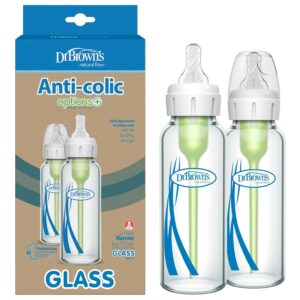
- Known for reducing colic, gas, and spit-up with their unique vent system.
- Durable borosilicate glass that withstands repeated sterilization.
- Compatible with silicone sleeves for added protection.
2. Philips Avent Natural Glass Baby Bottles
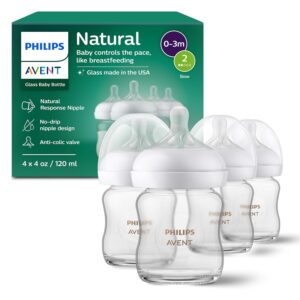
- Designed with a wide, breast-shaped nipple to help with breastfeeding transitions.
- Heat- and thermal-shock resistant, so they can go from fridge to warm water safely.
- Easy-to-clean design with fewer parts.
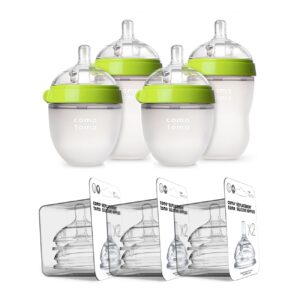
- Soft silicone nipple mimics the feel of breastfeeding.
- Sleek, modern design with wide-neck opening for effortless cleaning.
- Built-in anti-colic vents for smoother feeding.
Best Plastic Baby Bottles
1. Tommee Tippee Closer to Nature Plastic Bottles
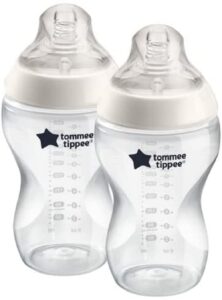
- Popular with breastfed babies due to their natural nipple shape.
- Lightweight, easy for babies to hold.
- Affordable sets available, making them ideal for stocking up.
2. Philips Avent BPA-Free Plastic Bottles
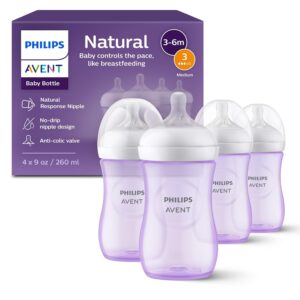
- Trusted by parents worldwide for decades.
- Designed to minimize nipple collapse and discomfort during feeding.
- Wide availability and easy to find replacement parts.
3. Dr. Brown’s Anti-Colic Plastic Bottles
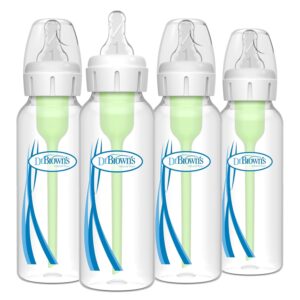
- Same proven vent system as the glass version, but lighter and shatter-proof.
- Great for colicky or gassy babies.
- Dishwasher safe and widely recommended by pediatricians.
How to Choose Among These
- If you’re focused on reducing colic and spit-up, Dr. Brown’s (glass or plastic) is a strong choice.
- If you want something closest to breastfeeding, consider Comotomo (glass) or Tommee Tippee (plastic).
- For everyday affordability and ease of finding parts, Philips Avent remains a reliable pick.
Read Next: Baby Bottle Cleaning Checklist: Must-Have Brushes, Racks & Sterilizers
FAQs: Glass vs Plastic Baby Bottles
Are glass baby bottles safer than plastic?
Yes. Glass bottles are naturally free from BPA and other chemicals, so there’s no risk of toxins leaching into milk or formula. They’re considered the safest long-term option, especially for parents concerned about chemical exposure.
Do glass bottles help reduce colic?
Not directly. Colic reduction usually depends on the bottle’s venting system, not the material. Brands like Dr. Brown’s offer both glass and plastic bottles with anti-colic features.
Can glass baby bottles break easily?
Modern glass baby bottles are made from tempered or borosilicate glass, which is tougher than regular glass. While they can still break if dropped on a hard surface, many come with silicone sleeves for extra protection.
How long do plastic baby bottles last before replacement?
Most pediatricians recommend replacing plastic bottles every 6–12 months, or sooner if you notice scratches, warping, or cloudiness. These signs mean the bottle is wearing down and could harbor bacteria.
Is it worth investing in glass bottles if I travel a lot?
For families that are often on the go, plastic bottles are usually more practical since they’re lightweight and shatter-proof. Some parents use a mix—glass bottles at home for daily feeding and plastic bottles for travel and daycare.
Do glass bottles stay warmer than plastic bottles?
Yes. Glass retains heat longer than plastic, which can be helpful during night feedings. However, this can also mean milk takes longer to cool down, so it’s something to keep in mind.
Conclusion
Choosing between glass and plastic baby bottles doesn’t have to be complicated. Both options are safe and effective when used properly, but they serve different needs.
- Glass bottles are the clear choice if you want a toxin-free, durable option that’s easy to clean and built to last through multiple children.
- Plastic bottles shine when convenience, travel, and affordability are top priorities. They’re lightweight, shatter-proof, and easier for babies to hold.
- And for many families, the best solution is a mix of both—glass for home feedings and plastic for daycare or when you’re on the go.
The best bottle is the one that works for your baby and makes feeding easier for your family.