
10 Best Anti-Colic Baby Bottles for Gas & Reflux Relief


If you’ve ever watched your little one squirm, cry, or spit up after feeding, you know how tough colic and reflux can be on both baby and parent. Much of this discomfort is caused by swallowed air during feeding, which can lead to painful gas bubbles, fussiness, and sleepless nights.
Anti-colic baby bottles are designed to solve that problem. By using special venting systems, slow-flow nipples, and ergonomic designs, these bottles help reduce the amount of air babies swallow. The result? A calmer feeding experience, fewer spit-ups, and often a happier baby.
The challenge, of course, is choosing the right one. With so many brands promising relief from colic and gas, it’s hard to know which bottles actually make a difference. That’s where this guide comes in. We’ve reviewed the most trusted options parents rely on in 2026, breaking them down by features, pros and cons, and which babies they work best for.
Whether you’re a first-time parent building your feeding essentials, or you’ve tried a few bottles without much luck, this list will give you clear, honest insights so you can pick the one that truly fits your baby’s needs.
Table of Contents:
- Quick Comparison Table – Best Anti-Colic Baby Bottles at a Glance ↴
- The 10 Best Anti-Colic Baby Bottles (Reviewed & Compared) ↴
- How to Choose the Best Anti-Colic Baby Bottle ↴
- Product Comparisons – Which Anti-Colic Bottle Is Best for Your Baby? ↴
- Care & Maintenance Tips for Anti-Colic Bottles ↴
- FAQs About Anti-Colic Baby Bottles ↴
- Final Thoughts & Buying Tips ↴
Quick Comparison Table – Best Anti-Colic Baby Bottles at a Glance
| Baby Bottle | Best For | Venting System | Ease of Cleaning |
|---|---|---|---|
| Dr. Brown’s Natural Flow Anti-Colic Bottle | Overall colic & gas relief | Internal vent system | Moderate (narrow parts) |
| Philips Avent Anti-Colic with AirFree Vent | Babies with reflux | AirFree vent keeps nipple full | Easy (few parts) |
| Comotomo Baby Bottle | Breastfed babies switching to bottle | Dual anti-colic vents | Very easy (wide-neck, silicone) |
| Tommee Tippee Advanced Anti-Colic | Newborns prone to gas | Triple-vented tube | Easy |
| MAM Easy Start Anti-Colic | Self-sterilizing convenience | Base venting system | Easy (microwave safe) |
| Playtex Baby Ventaire Anti-Colic | Reducing spit-up | Bottom vent design | Moderate |
| NUK Smooth Flow Anti-Colic | Easy latch for mixed feeding | Vent built into nipple | Easy |
| Evenflo Balance+ Anti-Colic Bottle | Breastfed babies needing balance | Slow-flow nipple with vent | Easy |
| Nanobébé Anti-Colic Bottle | Breastmilk preservation | 360° vent system | Easy |
| Chicco Duo Hybrid Anti-Colic Bottle | Parents who want glass safety & plastic durability | Intui-Latch nipple with vent | Easy |
The 10 Best Anti-Colic Baby Bottles (Reviewed & Compared)
1. Dr. Brown’s Natural Flow Anti-Colic Bottle – Best Overall for Gas Relief
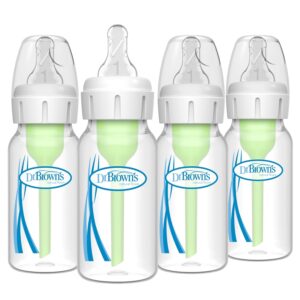
Dr. Brown’s has been a household name for years, and for good reason. Their internal vent system is one of the most effective at reducing air bubbles that cause gas and spit-up. Parents often notice calmer feeding sessions and less fussiness after switching.
- Key Features: Narrow neck, consistent slow-flow nipple, patented vent system.
- Pros: Proven track record, widely recommended by pediatricians, available in different sizes and materials (plastic or glass).
- Cons: Multiple small parts can make cleaning a bit tedious.
- Best For: Parents who want maximum relief for gassy or colicky babies, even if it means extra cleaning time.
2. Philips Avent Anti-Colic Bottle with AirFree Vent – Best for Reflux

Philips Avent’s AirFree vent keeps the nipple full of milk even when the bottle is tilted, which helps babies swallow less air. It’s especially helpful for reflux-prone little ones since it promotes an upright feeding position.
- Key Features: Wide-neck design, AirFree vent insert, BPA-free plastic.
- Pros: Fewer parts than Dr. Brown’s, easy to clean, nipples are shaped for an easy latch.
- Cons: Some parents say the vent occasionally drips if not assembled tightly.
- Best For: Parents looking for a reflux-friendly bottle that’s simple to put together and clean daily.
3. Comotomo Baby Bottle – Best for Breastfed Babies

With its soft, silicone body and wide, breast-like nipple, Comotomo is one of the top picks for breastfed babies who resist traditional bottles. The dual anti-colic vents work well to reduce air intake, and the wide-neck design makes washing a breeze.
- Key Features: 100% silicone body, wide nipple base, dual venting system.
- Pros: Extremely easy to clean, closest feel to breastfeeding, durable and flexible.
- Cons: Pricier than many competitors, bottles can be bulky for small hands.
- Best For: Breastfed babies transitioning to bottle feeding, or parents who want a soft, natural-feel option.
4. Tommee Tippee Advanced Anti-Colic Bottle – Best for Newborns Prone to Gas
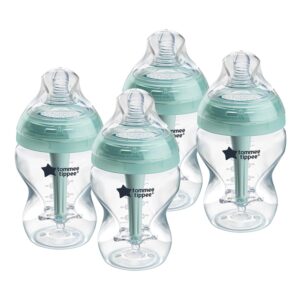
Tommee Tippee’s advanced design uses a triple-vented tube with a heat-sensing strip, so you can ensure milk isn’t too hot while preventing swallowed air. Many parents love its natural nipple shape, which helps with easier latching.
- Key Features: Triple-vented tube, temperature strip, BPA-free plastic.
- Pros: Great for newborns, affordable, easy-to-hold bottle shape.
- Cons: The vent tube requires careful cleaning.
- Best For: Parents who want a newborn-friendly, gas-reducing bottle with a clear temperature indicator.
5. MAM Easy Start Anti-Colic Bottle – Best Self-Sterilizing Option

One standout feature of the MAM Easy Start is that it’s self-sterilizing in the microwave—perfect for busy parents or frequent travelers. Its base venting system helps milk flow steadily, reducing swallowed air and spit-up.
- Key Features: Self-sterilizing base, soft silicone nipple, vented bottom.
- Pros: Easy to use on the go, nipple accepted by many babies, available in cute designs.
- Cons: Multiple parts compared to simpler bottles.
- Best For: Parents who need a convenient, travel-friendly bottle that still fights colic effectively.
6. Playtex Baby Ventaire Anti-Colic Bottle – Best for Reducing Spit-Up
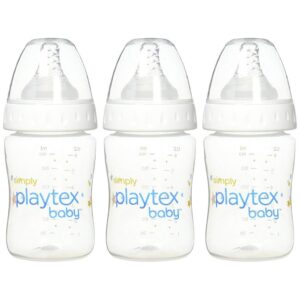
The angled design of the Ventaire encourages a semi-upright feeding position, which naturally helps with reflux and spit-up. Its venting system is built into the bottom, drawing air away from milk.
- Key Features: Angled bottle shape, bottom vent design, wide nipples.
- Pros: Helps reduce spit-up, affordable, encourages upright feeding.
- Cons: Extra parts at the base can leak if not tightened well.
- Best For: Parents struggling with spit-up issues and babies who need more upright feeding.
7. NUK Smooth Flow Anti-Colic Bottle – Best for Easy Latch

NUK’s Smooth Flow bottles have a nipple vent built right in, which simplifies cleaning while still reducing colic. The nipple design closely mimics the breast, making it a solid choice for mixed feeding.
- Key Features: Smooth Flow nipple, built-in vent, wide neck.
- Pros: Affordable, fewer parts to clean, easy transition between breast and bottle.
- Cons: Some parents find the flow too fast for newborns.
- Best For: Parents who want an affordable, easy-latch option for breastfed or combo-fed babies.
8. Evenflo Balance+ Anti-Colic Bottle – Best for Nipple Balance

Developed with feeding specialists, Evenflo Balance+ bottles are designed to encourage a natural tongue and swallow motion, making them excellent for breastfed babies who need balance between breast and bottle.
- Key Features: Slow-flow nipple, integrated vent, BPA-free.
- Pros: Affordable, recommended by lactation consultants, easy to hold.
- Cons: Fewer size options compared to bigger brands.
- Best For: Breastfed babies who struggle with nipple confusion.
9. Nanobébé Anti-Colic Bottle – Best for Breastmilk Preservation
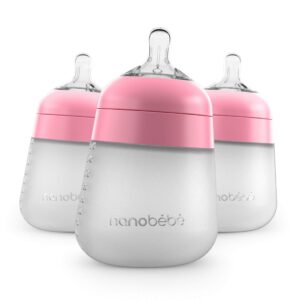
Nanobébé bottles stand out for their unique dome-like shape, which cools breastmilk quickly to preserve nutrients. The built-in vent system reduces air intake while supporting breast-like latching.
- Key Features: Dome shape, 360° vent system, compatible with breast pumps.
- Pros: Protects breastmilk quality, stackable design, sleek and modern look.
- Cons: More expensive than standard bottles.
- Best For: Breastfeeding parents who want to preserve milk nutrients while preventing colic.
10. Chicco Duo Hybrid Anti-Colic Bottle – Best Hybrid Glass & Plastic Option
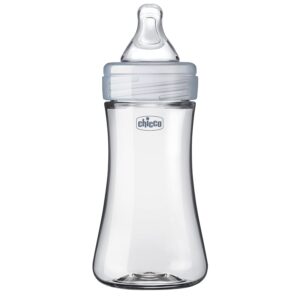
Chicco Duo bottles use inner glass for purity and outer plastic for durability, giving parents the best of both worlds. The Intui-Latch nipple is designed for an easy latch, and the vent system reduces swallowed air.
- Key Features: Inner glass + outer plastic hybrid, Intui-Latch nipple, vented system.
- Pros: Safer than plastic-only bottles, more durable than glass-only bottles, easy to clean.
- Cons: Higher price point, heavier than standard plastic bottles.
- Best For: Parents who want the safety of glass with the convenience of plastic.
Buyer’s Guide – How to Choose the Best Anti-Colic Baby Bottle
When it comes to baby bottles, there’s no one-size-fits-all solution. Every baby has a unique feeding style, and what works for one may not work for another. Here’s what you should know before deciding which anti-colic bottle will truly help your little one.
What Causes Gas, Colic, and Reflux in Babies?
Gas and reflux are most often the result of swallowed air during feeding. When milk doesn’t flow smoothly, babies gulp and take in bubbles, which settle in their tiny stomachs. The pressure causes discomfort, spit-up, and sometimes hours of inconsolable crying (commonly referred to as colic).
Anti-colic bottles reduce this by controlling airflow with special vents, angled shapes, or nipple designs that encourage a more natural latch.
Do Anti-Colic Bottles Really Work?
Yes—when matched to your baby’s needs. These bottles don’t “cure” colic, but they can significantly reduce symptoms. Parents often notice:
- Less spit-up after feeds
- Reduced gassiness and burping
- Calmer, longer feeding sessions
The key is finding the right venting system and nipple flow for your baby’s age and feeding style.
Key Features to Look For
1. Venting System
- Internal tubes (Dr. Brown’s, Tommee Tippee) work well for gas-heavy babies.
- Built-in vents (Comotomo, NUK) are simpler and easier to clean.
2. Nipple Shape & Flow
- Wide, breast-like nipples (Comotomo, Nanobébé) help breastfed babies transition smoothly.
- Narrow nipples (Dr. Brown’s) mimic traditional feeding and control flow well for newborns.
3. Bottle Material
- Plastic: Lightweight and affordable, but may wear faster.
- Glass: Durable and easy to sanitize, but heavier.
- Silicone: Flexible, soft feel, but pricier.
- Hybrid (glass + plastic): Combines safety with durability (Chicco Duo).
4. Ease of Cleaning
- Wide-neck bottles are much easier to clean by hand.
- Self-sterilizing designs (MAM) save time for busy parents.
5. Size and Pump Compatibility
- Some bottles are designed to connect directly to breast pumps (Nanobébé).
- Newborns usually start with 4oz bottles, while older babies need 8–9oz.
Read Next: Best Baby Bottles & Accessories This Year: Complete Buyer’s Guide for New Parents
Product Comparisons – Which Anti-Colic Bottle Is Best for Your Baby?
With so many good options on the market, it often comes down to choosing between two popular brands or deciding on a material type. Here’s how the most common comparisons stack up.
Dr. Brown’s vs Philips Avent – Which Is Better for Colic & Reflux?
Both bottles are favorites among parents dealing with gas and reflux, but they take different approaches:
- Dr. Brown’s Natural Flow uses a patented internal vent system that’s extremely effective at reducing swallowed air. Many parents notice a big difference in colic symptoms, though the trade-off is extra parts to clean.
- Philips Avent Anti-Colic with AirFree Vent uses a simpler design where the vent keeps the nipple full of milk, even when tilted. It’s easier to clean and assemble but may not be quite as powerful for severe colic.
Verdict:
- Choose Dr. Brown’s if your baby struggles with serious gas and you don’t mind extra cleaning.
- Choose Philips Avent if you want a balance of colic relief and convenience.
Read Next: Dr. Brown’s vs Philips Avent Bottles: Which Is Better for Colic & Feeding?
Comotomo vs Tommee Tippee – Which Feels More Like Breastfeeding?
For babies who switch between breast and bottle, nipple shape and feel matter.
- Comotomo bottles are made from soft, squeezable silicone with a wide, breast-like nipple that mimics breastfeeding closely. They’re also one of the easiest to clean thanks to the wide-neck design.
- Tommee Tippee Advanced Anti-Colic bottles feature a natural nipple shape as well, but their strength is the triple-vent tube that reduces swallowed air. The design helps newborns with gas but isn’t as soft or breast-like as Comotomo.
Verdict:
- Choose Comotomo if your baby is breastfed and tends to reject regular bottles.
- Choose Tommee Tippee if you’re mainly focused on fighting gas in the early months.
Read Next: Comotomo vs Tommee Tippee Bottles: Which One Feels Most Like Breastfeeding?
Glass vs Plastic Anti-Colic Bottles – Which Should Parents Choose?
Bottle material is another big decision.
- Glass bottles (like Dr. Brown’s Glass or Chicco Duo’s inner glass layer) are durable, free from plastic wear, and easy to sanitize. Parents also like that they don’t absorb odors. The downside is that they’re heavier and can break if dropped.
- Plastic bottles (Philips Avent, Tommee Tippee) are lightweight, affordable, and widely available. However, they can scratch over time and may need replacing more often.
Verdict:
- Go with glass if you value purity, longevity, and don’t mind a little extra weight.
- Stick with plastic if you want lightweight, travel-friendly bottles at a lower price point.
Read Next: Glass vs Plastic Baby Bottles: Pros, Cons & What Parents Should Choose
Care & Maintenance Tips for Anti-Colic Bottles
Buying the right bottle is only half the solution—keeping it clean and well-maintained is just as important for your baby’s comfort and health. Anti-colic bottles often have extra vents or inserts, so proper care helps them work effectively and last longer.
How to Clean Anti-Colic Bottles Properly
- Disassemble every part. Separate the nipple, collar, vent system, and bottle body. Even the smallest vent pieces can trap milk residue.
- Rinse immediately after feeding. A quick rinse with warm water prevents milk from drying and sticking inside.
- Wash with a bottle brush. Use a soft brush designed for baby bottles to clean hard-to-reach areas. Some parents keep a brush specifically for nipples to avoid tearing.
- Sterilize regularly. Boiling water, a steam sterilizer, or microwave sterilizing bags can all be used. Some bottles, like MAM Easy Start, are self-sterilizing.
- Air-dry completely. Place bottles on a drying rack with good airflow—trapped moisture can lead to mold.
How Often Should You Sterilize Bottles?
- Newborn stage (0–3 months): Sterilize daily, since babies have weaker immune systems.
- 3–6 months: Sterilize every few days, with daily washing in between.
- 6+ months: Regular washing is usually enough, but sterilize if your baby is sick or bottles look cloudy.
When to Replace Nipples and Bottles
- Nipples: Replace every 2–3 months, or sooner if you notice cracks, discoloration, or faster milk flow than expected.
- Bottles: Replace plastic bottles every 6 months, or sooner if they’re scratched, warped, or cloudy. Glass bottles can last longer but should be discarded if chipped.
Common Mistakes Parents Make
- Not cleaning vents thoroughly. Leftover milk in vent systems can cause clogs and reduce effectiveness.
- Mixing and matching parts. Stick to the same brand’s venting system and nipples—misfits can cause leaks.
- Using harsh cleaners. Avoid bleach or abrasive brushes, which damage bottle surfaces.
Keeping up with these care steps ensures your anti-colic bottles work the way they’re meant to—making feeding time smoother and keeping your baby comfortable.
Read Next: Best Baby Bottle Starter Sets for Newborns (Perfect for First-Time Parents)
FAQs About Anti-Colic Baby Bottles
1. Do anti-colic bottles really work?
Yes, anti-colic bottles are designed to reduce the amount of air babies swallow during feeding. While results vary from baby to baby, many parents report noticeable improvements in gas, fussiness, and spit-up after switching.
2. What’s the difference between colic and reflux in babies?
- Colic is excessive crying and discomfort often linked to swallowed air and digestive issues.
- Reflux happens when milk comes back up from the stomach, sometimes causing spit-up or discomfort.
Anti-colic bottles primarily target gas and air intake, but they can also ease mild reflux by helping milk flow more smoothly.
3. How many anti-colic bottles do I need?
For newborns, most parents find 6–8 bottles sufficient. This allows you to rotate through feedings without needing to wash after every use. If you exclusively bottle-feed, you may need more.
4. Can I use anti-colic bottles for breastfed babies?
Absolutely. Many anti-colic bottles are designed with breast-like nipples to make switching between breast and bottle easier. Brands like Philips Avent Natural and Comotomo are especially popular with breastfeeding parents.
5. Are anti-colic bottles dishwasher-safe?
Most are, but always check the manufacturer’s instructions. Some vent systems have small parts that can warp or trap residue if not cleaned carefully. Hand-washing is often recommended for longevity.
6. When should I stop using anti-colic bottles?
You can use them as long as your baby drinks from a bottle. Some parents switch to standard bottles once colic symptoms improve, while others stick with anti-colic designs until weaning to cups.
7. Can anti-colic bottles help with reflux?
They may help reduce spit-up and discomfort, but they aren’t a cure for reflux. If your baby shows frequent or painful reflux symptoms, consult your pediatrician for feeding adjustments or medical advice.
8. Are glass or plastic anti-colic bottles better?
- Glass bottles are durable, eco-friendly, and easy to clean but heavier.
- Plastic bottles are lighter and less breakable but may need replacing more often.
Both work well for colic relief—the choice comes down to convenience and personal preference.
9. Do I need special nipples for anti-colic bottles?
Yes, most anti-colic bottles work best with nipples designed for their system. Mixing brands or sizes can cause leaks or reduce effectiveness.
10. What size bottle should I buy for a newborn?
Start with 4–5 oz bottles, which are easier for newborns to handle. As your baby grows and drinks more per feed, you can transition to 8–9 oz bottles.
Final Thoughts & Buying Tips
Choosing the right baby bottle can feel overwhelming, especially when your little one is struggling with gas, spit-up, or colic. The good news is that today’s anti-colic bottles are carefully engineered to make feeding more comfortable—for both you and your baby.
When making your decision, keep these tips in mind:
- Match the Bottle to Your Feeding Style
- If you’re breastfeeding and bottle-feeding, choose bottles with breast-like nipples such as Comotomo or Philips Avent Natural to avoid nipple confusion.
- If you’re formula feeding, a design with a strong anti-colic venting system like Dr. Brown’s may give you the best results.
- Consider Cleaning and Maintenance
Some bottles have multiple small parts, which can be more effective but harder to clean. If you want convenience, opt for simpler venting systems like Tommee Tippee or Playtex Baby. - Think About Bottle Material
- Glass bottles are durable, eco-friendly, and easy to sterilize but heavier.
- Plastic bottles are lighter and travel-friendly but may need more frequent replacement.
- Start Small Before Committing
Every baby is different. What works for one may not work for another. Try one or two bottles from different brands before investing in a full set. - Watch Your Baby’s Cues
Ultimately, your baby will “tell” you which bottle works. Less fussing, smoother feeding, and fewer burps or spit-ups are good signs you’ve found the right fit.
Our Top Recommendation
If you want a reliable starting point, Dr. Brown’s Natural Flow Anti-Colic Bottles are consistently praised by parents for reducing gas and fussiness. But if you’re worried about switching between breast and bottle, Philips Avent Natural is a gentle, baby-friendly choice.
At the end of the day, there isn’t a one-size-fits-all solution. But with the right anti-colic bottle, you can bring more comfort to your baby and more peace of mind to yourself. That alone makes the search worthwhile.