
Best Baby Bottles & Accessories This Year: Complete Buyer’s Guide for New Parents

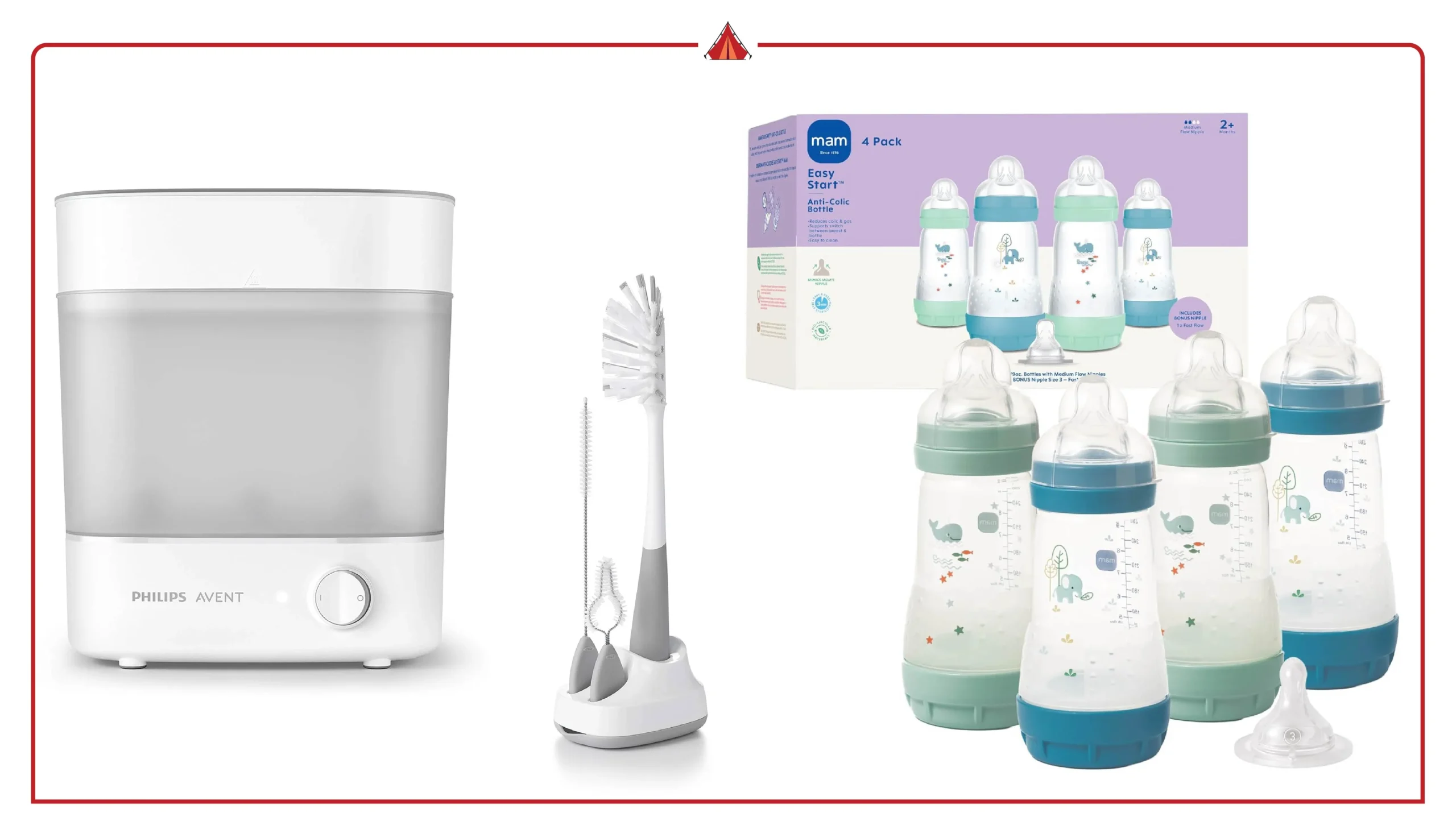
If you’ve just welcomed a little one into the world—or you’re getting ready to—figuring out the right baby bottles and feeding accessories can feel overwhelming. Walk into any baby store or scroll through Amazon and you’ll see shelves of bottles in different shapes, materials, and sizes, all promising to be “the best.” Add in warmers, sterilizers, drying racks, and travel kits, and suddenly something as simple as feeding feels complicated.
The truth is, there isn’t one bottle that works for every baby. Some infants deal with gas and reflux and need an anti-colic system. Others are breastfed and may resist switching to a bottle unless it feels natural. Parents who are constantly on the move might prefer bottles that travel easily and clean up quickly. That’s why choosing the right combination of bottles and accessories matters—it can make feeding smoother, cut down on fussiness, and give you peace of mind.
In this guide, we’ve done the heavy lifting for you. We’ve researched the top baby bottles and accessories of this year, broken down what makes each one stand out, and created comparison tables so you can quickly see the differences. Whether you’re looking for a complete starter set, a safe glass bottle, or the best tools to keep everything clean, you’ll find it here.
By the end, you’ll know which bottles are worth adding to your registry, which accessories make life easier, and how to pick products that match your baby’s unique needs.
Table of Contents:
- Quick Comparison Table: Best Baby Bottles & Accessories ↴
- How to Choose the Right Baby Bottle (Buyer’s Guide) ↴
- Best Baby Bottles (Reviewed) ↴
- Must-Have Baby Bottle Accessories ↴
- Brand Comparisons: Which One Should You Choose? ↴
- FAQs: Baby Bottles & Accessories for New Parents ↴
- Tips for New Parents: Feeding Made Easy ↴
- Final Thoughts + Buying Advice ↴
Quick Comparison Table: Best Baby Bottles & Accessories
Before diving into detailed reviews, here’s a quick snapshot of the most recommended baby bottles and accessories this year. This comparison makes it easy to spot which option might work best for your family’s needs.
| Product | Bottle Type | Key Features | Best For |
|---|---|---|---|
| Dr. Brown’s Natural Flow Anti-Colic Bottle | Plastic (BPA-Free) | Internal vent system reduces colic, gas, and spit-up | Babies with reflux or gas |
| Philips Avent Natural Baby Bottle | Plastic (BPA-Free, Wide-Neck) | Breast-shaped nipple, anti-colic valve, easy to clean | Breastfed babies transitioning to bottle |
| Comotomo Baby Bottle | Soft Silicone | Wide mound nipple, squeezable body, minimal parts | Babies rejecting traditional bottles |
| Tommee Tippee Closer to Nature Bottle | Plastic (Wide-Neck) | Easy latch nipple, compact design, anti-colic valve | Newborns and first-time parents |
| Evenflo Balance+ Wide Bottle | Glass & Plastic options | Slow-flow nipple, budget-friendly, dishwasher safe | Parents on a budget |
| MAM Easy Start Anti-Colic Bottle | Plastic (Self-Sterilizing) | Ventilation base reduces colic, microwave sterilizable | Travel and convenience |
| Nanobébé Breastmilk Bottle | Plastic (Breastmilk-Specific) | Designed to preserve nutrients, stackable for storage | Breastfeeding moms who pump |
Quick recommendations:
- If your baby struggles with gas or colic → look at Dr. Brown’s or MAM.
- If you’re combining breastfeeding and bottle-feeding → Philips Avent, Comotomo, or Nanobébé are strong picks.
- If you’re budget-conscious but don’t want to compromise on quality → Evenflo is reliable and affordable.
- If you travel often → MAM’s self-sterilizing design saves space and hassle.
How to Choose the Right Baby Bottle (Buyer’s Guide)
Every baby is different, which is why no single bottle works for everyone. Before adding a set of bottles to your cart or registry, it helps to understand the key factors that make one option better than another. Here’s what to look for:
Bottle Material: Glass, Plastic, or Silicone?
- Glass bottles are durable, don’t absorb odors, and can handle high-heat sterilization. Many parents like them because they’re free from chemicals. The downside is that they’re heavier and can break if dropped.
- Plastic bottles are lightweight, affordable, and widely available. Modern options are BPA-free, though they may scratch or stain over time.
- Silicone bottles are softer and mimic the feel of breastfeeding, which can make transitions easier. They’re flexible but usually more expensive.
Tip: If you’re worried about safety, choose glass or silicone. If you want something practical for travel or daycare, plastic is usually the go-to.
Read Next: How to Sterilize Baby Bottles: Step-by-Step Guide + Essential Tools
Nipple Flow Rates and Shapes
Newborns need a slow-flow nipple so they don’t choke or take in too much air. As babies grow, you can move up to medium- and fast-flow options. Nipple shape also matters: wide nipples feel more like the breast, while narrow ones may suit babies who latch easily.
Look for bottles with interchangeable nipple sizes so you don’t have to replace the whole bottle as your baby grows.
Anti-Colic Features
Colic and gas are common feeding struggles. Some bottles use vent systems to reduce air intake, while others have special valves at the nipple. These features can help cut down on spit-up, fussiness, and discomfort.
Popular choices for anti-colic design include Dr. Brown’s, Philips Avent, and MAM.
Ease of Cleaning and Sterilization
Bottles need to be washed multiple times a day, so choose designs with minimal parts and wide necks for easy cleaning. Some bottles are dishwasher-safe, while others can even be sterilized in the microwave. Accessories like drying racks, sterilizers, and brushes can save you time.
Bottle Sizes and Age Appropriateness
- 4 oz bottles are perfect for newborns and smaller feedings.
- 8–9 oz bottles are better for older infants who drink more at once.
- Buying a mix of sizes ensures you don’t outgrow your set too quickly.
Accessories That Make Feeding Easier
While bottles are the main purchase, a few accessories can make life simpler:
- Bottle sterilizers (electric or microwave) to kill germs quickly.
- Bottle warmers to heat milk evenly.
- Drying racks to keep parts clean and organized.
- Bottle brushes for deep cleaning narrow areas.
Read Next: 10 Best Anti-Colic Baby Bottles for Gas & Reflux Relief
Best Baby Bottles (Reviewed)
With so many options on the market, narrowing down the right baby bottle can feel impossible. To save you time, we’ve rounded up the best bottles this year across different needs—whether you’re looking for anti-colic solutions, a bottle that mimics breastfeeding, or a budget-friendly starter set.
1. Dr. Brown’s Natural Flow Anti-Colic Bottle – Best for Colic & Gas
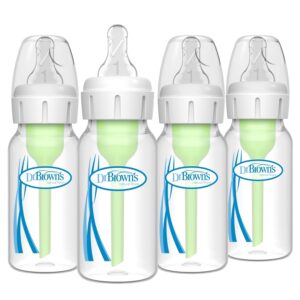
Why we love it: Dr. Brown’s bottles are legendary among parents dealing with reflux and gas. The internal vent system helps reduce air bubbles, which means less spit-up, burping, and fussiness.
- Pros: Proven anti-colic design, affordable, available in glass or plastic.
- Cons: More parts to clean than simpler bottles.
- Best for: Babies with reflux, colic, or frequent gas.
2. Philips Avent Natural Baby Bottle – Best for Breastfed Babies
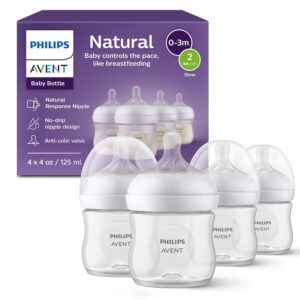
Why we love it: The wide, breast-shaped nipple design helps babies latch easily, making it a great choice if you’re combining breastfeeding and bottle feeding. It also comes with an anti-colic valve to reduce discomfort.
- Pros: Easy to clean, available in multiple sizes, gentle transition from breast to bottle.
- Cons: Nipple flow may be too fast for some newborns.
- Best for: Breastfed babies who need a natural-feeling bottle.
3. Comotomo Baby Bottle – Best for Babies Who Refuse Bottles
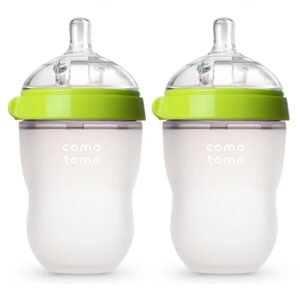
Why we love it: The soft silicone body and wide mound nipple make this one of the most “breast-like” bottles available. Babies who normally reject bottles often accept Comotomo.
- Pros: Ultra-soft feel, minimal parts, easy to clean.
- Cons: Pricier than most bottles; silicone can hold onto odors.
- Best for: Babies struggling with nipple confusion or rejecting traditional bottles.
4. Tommee Tippee Closer to Nature Bottle – Best for Newborns & First-Time Parents
Why we love it: Affordable, widely available, and designed with an easy-latch nipple, Tommee Tippee bottles are often the first choice for new parents. The compact design also makes them simple to hold during feedings.
- Pros: Budget-friendly, user-friendly design, dishwasher safe.
- Cons: Some parents report occasional nipple collapse.
- Best for: Newborns and first-time parents looking for a simple solution.
5. Evenflo Balance+ Wide Bottle – Best Budget Pick
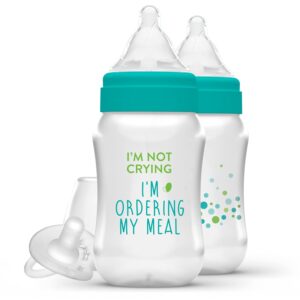
Why we love it: Evenflo proves you don’t need to spend a fortune to get a quality bottle. Designed with input from feeding specialists, the Balance+ offers a slow-flow nipple and ergonomic design at a wallet-friendly price.
- Pros: Very affordable, dishwasher safe, reduces overfeeding.
- Cons: Not as durable as premium brands.
- Best for: Parents on a budget or anyone needing backup bottles.
6. MAM Easy Start Anti-Colic Bottle – Best for Travel & Convenience
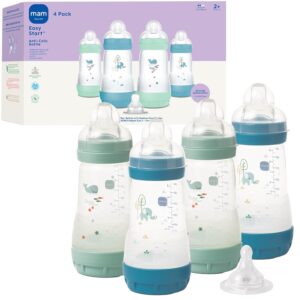
Why we love it: This bottle has a unique self-sterilizing feature—just pop it in the microwave with a little water, and it’s sterilized in minutes. Perfect for parents who are always on the move.
- Pros: Ventilated base reduces colic, easy to sterilize, compact design.
- Cons: More parts than a basic bottle; learning curve for assembly.
- Best for: Parents who travel often or want a quick sterilization option.
7. Nanobébé Breastmilk Bottle – Best for Pumping Moms
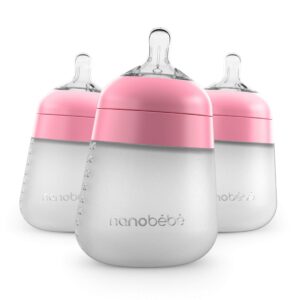
Why we love it: Designed to protect breast milk nutrients, Nanobébé bottles warm quickly and stack neatly in the fridge. The unique dome shape also encourages a natural feeding position.
- Pros: Preserves nutrients, stackable for storage, breast-like design.
- Cons: More expensive, less capacity than standard bottles.
- Best for: Breastfeeding moms who pump and store milk frequently.
Read Next: Best Baby Bottle Starter Sets for Newborns (Perfect for First-Time Parents)
Must-Have Baby Bottle Accessories
The right bottle is just the beginning. Accessories can make feeding easier, faster, and more hygienic—saving parents time and reducing stress. Here are the top accessories worth adding to your feeding setup this year.
1. Philips Avent Electric Steam Sterilizer – Best Overall Sterilizer
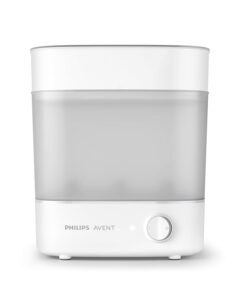
Why we love it: A reliable sterilizer takes the guesswork out of keeping bottles germ-free. Philips Avent’s electric steam sterilizer kills 99.9% of bacteria in minutes and fits multiple bottles at once.
- Pros: Quick sterilization, large capacity, auto shut-off for safety.
- Cons: Bulky for small kitchens.
- Best for: Parents who want a hassle-free, thorough sterilization system.
2. Munchkin Microwave Sterilizer Bags – Best for Travel or Small Spaces
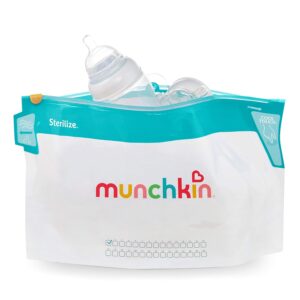
Why we love it: Lightweight and reusable, these bags let you sterilize bottles in the microwave in under 2 minutes. Each bag can be used up to 20 times, making them a budget-friendly option.
- Pros: Space-saving, affordable, perfect for travel.
- Cons: Limited capacity (fits 2–3 bottles at a time).
- Best for: Parents who travel often or live in small apartments.
3. Tommee Tippee 3-in-1 Advanced Bottle & Food Warmer – Best Bottle Warmer
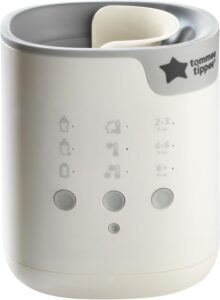
Why we love it: This warmer heats bottles and baby food evenly without overheating. It works with most brands and has multiple warming settings, making it a flexible choice.
- Pros: Consistent heating, easy to use, works for formula and breast milk.
- Cons: Takes a little longer than some faster models.
- Best for: Parents who want one reliable warmer for both bottles and food.
4. Boon Lawn Countertop Drying Rack – Best Bottle Drying Rack

Why we love it: This stylish rack isn’t just fun to look at—it’s practical too. The “grass” design holds bottles upright while allowing air circulation for quick drying.
- Pros: Modern design, easy to clean, holds multiple items.
- Cons: Takes up counter space.
- Best for: Parents who want an organized and hygienic way to air-dry bottles and parts.
5. OXO Tot Bottle Brush with Stand – Best Bottle Cleaning Brush
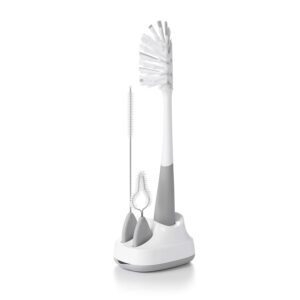
Why we love it: A good brush is essential for keeping bottles clean. The OXO Tot brush has firm bristles, a soft nipple cleaner, and comes with its own stand to keep things tidy.
- Pros: Ergonomic handle, durable bristles, compact stand.
- Cons: Needs replacing every few months.
- Best for: Parents who want an easy, thorough way to scrub bottles.
6. Munchkin Formula Dispenser – Best for Formula Feeding On-the-Go
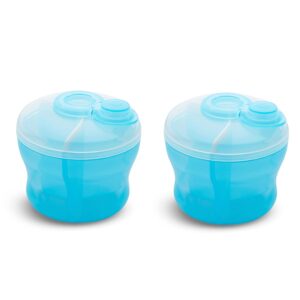
Why we love it: This dispenser has separate compartments for pre-measured formula, making it easy to prepare bottles when you’re out and about.
- Pros: Compact, lightweight, BPA-free, affordable.
- Cons: Only useful for formula-fed babies.
- Best for: Parents who use formula and want convenience when traveling.
Quick Takeaway:
- For sterilization → choose Philips Avent Electric Sterilizer at home, or Munchkin Bags for travel.
- For warming → Tommee Tippee 3-in-1 is a reliable pick.
- For organization → Boon Lawn and OXO Tot Brush are everyday essentials.
- For formula → Munchkin Dispenser makes life easier on the go.
Read Next: Baby Bottle Cleaning Checklist: Must-Have Brushes, Racks & Sterilizers
Brand Comparisons: Which One Should You Choose?
Even after narrowing down your choices, you may find yourself stuck between two popular bottles. Below we compare some of the most common matchups parents search for, so you can see the differences at a glance.
Dr. Brown’s vs Philips Avent – Best for Colic vs Best for Breastfed Babies
| Feature | Dr. Brown’s Natural Flow | Philips Avent Natural |
|---|---|---|
| Colic & Gas Relief | Excellent – internal vent system reduces reflux | Good – anti-colic valve built into nipple |
| Ease of Cleaning | More parts to clean | Fewer parts, easier to assemble |
| Nipple Design | Traditional narrow nipple | Wide, breast-shaped nipple for natural latch |
| Best For | Babies with reflux, gas, or frequent spit-up | Babies transitioning from breastfeeding |
Verdict: If colic and reflux are your main concerns, go with Dr. Brown’s. If you’re combining breast and bottle feeding, Avent is easier for your baby to accept.
Read Next: Dr. Brown’s vs Philips Avent Bottles: Which Is Better for Colic & Feeding?
Comotomo vs Tommee Tippee – Best for Breast-Like Feel vs Best for Simplicity
| Feature | Comotomo | Tommee Tippee Closer to Nature |
|---|---|---|
| Bottle Material | Soft silicone | BPA-free plastic |
| Nipple Design | Wide, breast-like, very soft | Wide, easy-latch nipple |
| Ease of Cleaning | Minimal parts, wide opening | Simple, but may need brush for deep clean |
| Price | $$$ (premium) | $$ (budget-friendly) |
| Best For | Babies refusing bottles | Parents who want an easy, affordable starter option |
Verdict: If your baby refuses bottles, Comotomo is worth the investment. For a more affordable everyday bottle, Tommee Tippee is a solid choice.
Read Next: Comotomo vs Tommee Tippee Bottles: Which One Feels Most Like Breastfeeding?
Glass vs Plastic Bottles – Safety vs Convenience
| Feature | Glass Bottles | Plastic Bottles |
|---|---|---|
| Durability | Strong but can break if dropped | Lightweight and shatterproof |
| Safety | Chemical-free, doesn’t absorb odors | BPA-free, but may scratch/stain over time |
| Weight | Heavier | Lighter, easier for baby to hold later on |
| Cost | Higher | Usually more affordable |
| Best For | Parents prioritizing safety and longevity | Parents who want convenience and travel-friendliness |
Verdict: If you value safety and don’t mind a little extra weight, glass is the winner. If you’re looking for practicality and affordability, plastic works well for everyday use.
Read Next: Glass vs Plastic Baby Bottles: Pros, Cons & What Parents Should Choose
FAQs: Baby Bottles & Accessories for New Parents
How many baby bottles do I need for a newborn?
Most parents find that 6–8 bottles is enough for a newborn, especially if you don’t want to wash bottles constantly during the day. If you’re exclusively formula feeding, you may want a few extra.
Are glass bottles safer than plastic bottles?
Yes. Glass bottles are chemical-free, don’t absorb odors, and withstand high heat sterilization. They’re generally considered the safest option, but they are heavier and can break if dropped. Plastic bottles are lighter and easier for travel, but may scratch over time.
What’s the best bottle for breastfed babies?
Bottles with a wide, breast-like nipple are best for breastfed babies. Popular options include Philips Avent Natural, Comotomo, and Nanobébé, as they help mimic the natural latch and reduce nipple confusion.
Do I need a bottle warmer?
A bottle warmer isn’t essential, but it’s very convenient. Warmers heat milk evenly and quickly, which is safer than microwaving. They’re especially useful for breast milk, which should be heated gently to preserve nutrients.
How often should I replace baby bottles and nipples?
- Nipples should usually be replaced every 2–3 months, or sooner if you notice cracks or wear.
- Bottles can last longer, but plastic bottles may need replacing every 6–12 months, depending on condition. Glass bottles generally last much longer.
Can baby bottles go in the dishwasher?
Most modern baby bottles are dishwasher safe (top rack), but always check the manufacturer’s instructions. Using a bottle brush for a deep clean is still recommended for best hygiene.
Are anti-colic bottles worth it?
Yes. If your baby struggles with gas, reflux, or fussiness, anti-colic bottles with vent systems can make a noticeable difference. Popular choices include Dr. Brown’s and MAM.
Do I need both a sterilizer and a bottle brush?
Yes, ideally. A sterilizer removes bacteria and germs, while a bottle brush ensures deep cleaning inside the bottle and nipple. Both together help keep feeding safe and hygienic.
Tips for New Parents: Feeding Made Easy
Feeding your little one can feel overwhelming at first, but with a few simple strategies, the process quickly becomes second nature. These tips will help you cut down on stress, stay organized, and make sure your baby gets what they need every time.
1. Prep Ahead When Possible
If you’re using formula, consider pre-measuring powder into dispensers so you can make bottles quickly, especially at night or while traveling. For breast milk, store in clearly labeled bottles or bags so you always know which to use first.
2. Invest in a Few Extras
Having only two or three bottles means you’ll constantly be washing and sterilizing. A small collection (6–8 bottles) allows you to rotate them throughout the day and saves you from late-night scrambles.
3. Create a Feeding Station
Keep bottles, formula, burp cloths, and a bottle brush in one spot at home. This setup not only makes feeding smoother but also helps anyone else caring for your baby know where things are.
4. Practice Safe Heating
Always warm bottles in a warmer or a bowl of warm water — never a microwave. Swirl gently (don’t shake) to mix and test on your wrist before feeding.
5. Watch for Baby’s Cues
Some babies prefer slow-flow nipples while others want a faster flow. If your baby seems fussy, gassy, or takes a long time to finish, try adjusting the nipple size.
6. Stick to a Cleaning Routine
Rinse bottles immediately after use, wash thoroughly with a brush, and sterilize regularly. A set routine makes it less likely something gets missed.
7. Don’t Stress About Perfection
Every baby is different. Some love one bottle brand, others refuse it and want another. It may take trial and error, and that’s completely normal.
Read Next: How Many Baby Bottles Do You Really Need? (Newborn to 12 Months)
Final Thoughts + Buying Advice
Choosing the right baby bottles and accessories doesn’t have to be overwhelming. The key is to focus on what works best for your baby while keeping your lifestyle in mind.
- For newborns and breastfed babies: Start with bottles that mimic the breast, like Comotomo or Philips Avent Natural.
- For colicky or gassy babies: Look at anti-colic options such as Dr. Brown’s Natural Flow or Tommee Tippee Advanced Anti-Colic.
- For busy parents who want convenience: A set of dishwasher-safe bottles paired with a reliable bottle warmer and sterilizer can save hours each week.
- For budget-conscious families: Mid-range options like Evenflo or MAM give excellent performance without the premium price tag.
At the end of the day, there’s no “one size fits all.” Many parents find success by trying one or two different bottle brands before committing to a full set. Accessories like brushes, sterilizers, and formula dispensers aren’t just “nice to haves” — they make the feeding journey smoother and more manageable.
Our buying advice:
- Start with a variety pack if you’re unsure what your baby will like.
- Always keep at least 6–8 bottles on hand.
- Add accessories that save you time (like a warmer or sterilizer).
- Pay attention to your baby’s cues — their comfort is the best guide.
By investing in the right bottles and accessories now, you’ll set yourself up for smoother feedings, fewer frustrations, and more precious bonding time with your baby.