
Dr. Brown’s vs Philips Avent Bottles: Which Is Better for Colic & Feeding?

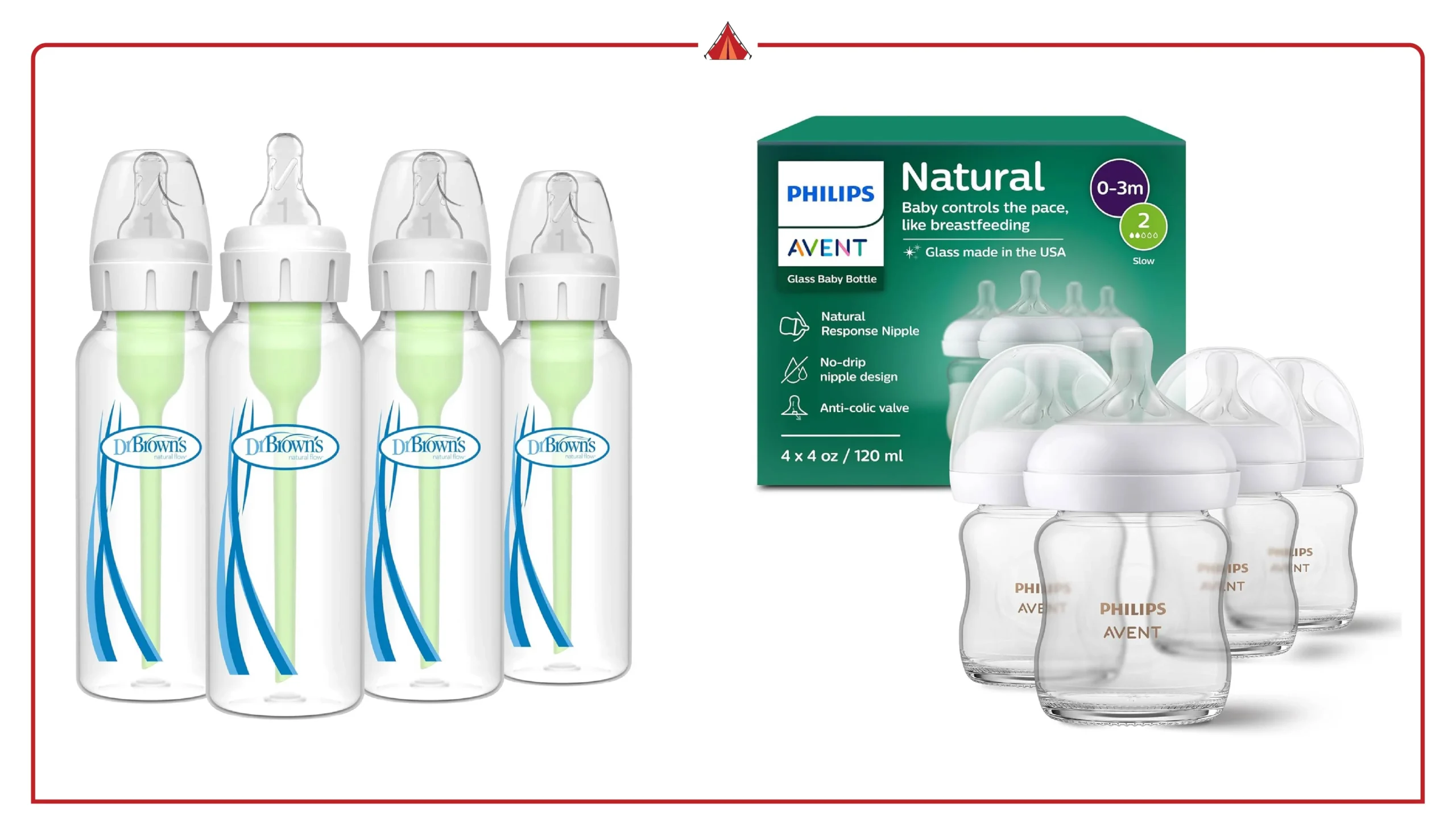
Feeding time can be one of the most rewarding moments with your baby, but it can also be stressful when issues like colic, gas, or bottle refusal come into play. For many parents, choosing the right bottle makes all the difference. That’s why two names come up again and again: Dr. Brown’s and Philips Avent.
Both brands are trusted worldwide, both are designed to reduce colic and discomfort, and both have thousands of loyal parents who swear by them. But they take very different approaches to solving the same problem. Dr. Brown’s bottles are known for their patented internal venting system, while Philips Avent bottles use a simpler vented nipple design that mimics breastfeeding.
If you’re here, you’re likely wondering: Which bottle will actually work better for my baby? This guide breaks it down so you can make a confident choice. We’ll compare Dr. Brown’s and Philips Avent side by side, covering feeding experience, colic relief, ease of cleaning, pricing, and real-world parent feedback.
By the end, you’ll know exactly which bottle is better suited for your baby’s needs and why.
Quick Comparison Overview
Parents don’t always have time to dig through long reviews, so here’s a side-by-side look at how Dr. Brown’s and Philips Avent bottles stack up.
| Feature | Dr. Brown’s Bottles | Philips Avent Bottles |
|---|---|---|
| Anti-Colic Technology | Patented internal vent system designed to reduce colic, spit-up, burping, and gas. | AirFree vent keeps nipple full of milk to reduce swallowed air. |
| Feeding Experience | Narrow or wide-neck options, nipples vary in flow rates. Designed for babies struggling with gas or reflux. | Wide-neck, breast-shaped nipple designed to feel closer to breastfeeding. |
| Ease of Cleaning | More parts to wash (vent system pieces). May take extra time but dishwasher safe. | Fewer parts, wide bottle neck makes cleaning simpler. |
| Bottle Materials | BPA-free plastic and glass options. | BPA-free plastic and glass options. |
| Sizes Available | 2oz, 4oz, 8oz, and more, with transition to sippy spouts. | 4oz, 9oz, 11oz options, plus natural glass versions. |
| Price Range | Generally affordable; starter packs and bundles available. | Slightly higher per bottle but fewer replacement parts needed. |
| Accessories | Wide line of nipples, warmers, sterilizers, and cleaning brushes available. | Compatible with Philips sterilizers, warmers, and breast pumps. |
At a glance:
- Choose Dr. Brown’s if your baby struggles with colic or reflux and you don’t mind extra cleaning.
- Choose Philips Avent if you want a bottle that feels more like breastfeeding and is easier to maintain.
Read Next: Best Baby Bottle Starter Sets for Newborns (Perfect for First-Time Parents)
Dr. Brown’s Baby Bottles: In-Depth Review
Dr. Brown’s bottles are often the first recommendation you’ll hear if your baby is dealing with colic, reflux, or excessive gas. They’ve built their reputation on one thing: their patented internal vent system. This vent moves air away from the milk and into the bottle’s base, helping to reduce swallowed air. For many parents, that translates into less spit-up, fewer nighttime tummy aches, and a calmer baby overall.
Key Features
- Anti-Colic Vent System: The standout feature. Unlike vented nipples that only reduce some air, Dr. Brown’s system channels air through a separate tube, preventing bubbles from mixing with milk.
- Multiple Designs: Available in both narrow-neck bottles (classic style) and wide-neck “Options+” bottles, which are a little closer to the feel of breastfeeding.
- Variety of Materials: Parents can choose between BPA-free plastic or durable glass bottles.
- Nipple Flow Control: Comes with a wide range of nipple sizes, from preemie to Y-cut for thicker liquids, allowing the bottle to grow with your baby.
- Dishwasher Safe: While there are more pieces, they can all go on the top rack of the dishwasher.
What Parents Like
- Noticeable reduction in gas, burping, and colic symptoms.
- Trusted by pediatricians and hospitals for newborns.
- Options for babies who need specialty nipples or slower flow rates.
- Affordable multipacks and gift sets available.
What Parents Don’t Love
- Extra parts (vent tube, collar, disk) mean more cleaning.
- Can leak if not assembled correctly.
- Narrow-neck bottles may feel outdated compared to wide-neck competitors.
Dr. Brown’s bottles are best suited for babies who have ongoing issues with feeding discomfort. If your baby struggles with reflux or is very gassy, many parents find that switching to Dr. Brown’s makes a noticeable difference within days.
Read Next: 10 Best Anti-Colic Baby Bottles for Gas & Reflux Relief
Philips Avent Baby Bottles: In-Depth Review
Philips Avent is one of the most widely recognized baby bottle brands worldwide. Its bottles are especially popular with parents who are breastfeeding and bottle-feeding at the same time, thanks to their breast-shaped nipples and straightforward design. Unlike Dr. Brown’s, which uses an internal vent tube, Avent bottles rely on the AirFree vent system built into the nipple to reduce swallowed air.
Key Features
- AirFree Vent System: Designed to keep the nipple full of milk, even when the bottle is tilted. This helps reduce colic and discomfort without adding extra parts to clean.
- Breast-Shaped Nipple: Avent’s wide, natural-shaped nipples are made to mimic the feel of the breast, which can make it easier for babies to transition between breastfeeding and bottle-feeding.
- Material Choices: Available in BPA-free plastic and durable glass options.
- Fewer Parts: Simple two- or three-piece design makes cleaning quick and easy.
- Multiple Sizes & Flow Rates: Ranges from newborn flow to fast flow, plus specialty nipples for thicker liquids.
What Parents Like
- Easy to assemble, clean, and sterilize—no extra vent tubes to worry about.
- Nipple shape is comfortable for breastfed babies, helping reduce bottle refusal.
- Wide neck makes pouring formula and cleaning by hand much easier.
- Compatible with Philips breast pumps and sterilizers for convenience.
What Parents Don’t Love
- Some babies with severe colic or reflux may not get as much relief compared to Dr. Brown’s system.
- Nipples may collapse if not assembled tightly.
- Slightly higher price per bottle compared to other mainstream options.
Philips Avent bottles are a great fit for parents looking for a low-maintenance, breastfeeding-friendly bottle that reduces fussiness for most babies. They shine when you want convenience and fewer parts to clean, while still addressing common feeding issues like gas and mild colic.
Read Next: Baby Bottle Cleaning Checklist: Must-Have Brushes, Racks & Sterilizers
Dr. Brown’s vs Philips Avent: Head-to-Head Comparison
Choosing between Dr. Brown’s and Philips Avent often comes down to your baby’s specific needs and your tolerance for extra cleaning. Here’s how they compare in real-world use.
Feeding Experience
- Dr. Brown’s: Offers narrow-neck and wide-neck “Options+” designs. Babies who struggle with gas or reflux tend to feed more comfortably with the internal vent system, though it may feel less natural for breastfed babies transitioning to a bottle.
- Philips Avent: The wide, breast-shaped nipple is a standout. Many breastfed babies take to Avent more easily, making it a top pick for combination feeding.
Colic & Reflux Relief
- Dr. Brown’s: Best known for reducing colic, spit-up, and reflux. The vent system does an excellent job of keeping air out of milk. Parents often notice fewer tummy troubles within a few feeds.
- Philips Avent: Effective for mild colic and gas but may not be as strong as Dr. Brown’s for babies with severe reflux.
Ease of Use & Cleaning
- Dr. Brown’s: More parts = more effort. Vent tubes, collars, and caps need to be washed thoroughly after every feed. Dishwasher safe, but it still takes longer to reassemble.
- Philips Avent: Only a few parts and a wide opening make it one of the easiest bottles to clean. A better fit for parents who prioritize convenience.
Durability & Price
- Dr. Brown’s: Affordable, with lots of bundle options. Replacement parts for vents and nipples are widely available.
- Philips Avent: Slightly pricier per bottle but fewer extra parts mean less to replace over time.
Parent Feedback
- Dr. Brown’s: Parents of colicky or reflux-prone babies often call these bottles a lifesaver. The trade-off is the extra cleaning work.
- Philips Avent: Loved for its simplicity and natural nipple. Some parents of colicky babies say they eventually switched to Dr. Brown’s for more relief.
Bottom line:
- Pick Dr. Brown’s if your baby suffers from colic, gas, or reflux and you’re willing to put in a bit more cleaning effort.
- Pick Philips Avent if your priority is ease of cleaning and helping your baby transition smoothly between breast and bottle.
Read Next: Comotomo vs Tommee Tippee Bottles: Which One Feels Most Like Breastfeeding?
Best Scenarios: Which Parents Should Choose Which Bottle?
Sometimes the “better” bottle isn’t universal — it depends on your baby’s needs and your lifestyle as a parent. Here’s when each brand shines.
Choose Dr. Brown’s if:
- Your baby has severe colic, reflux, or gas that hasn’t improved with other bottles.
- You want a wide range of specialized nipple flows, from preemie to thick liquid options.
- You’re okay with more cleaning steps in exchange for better feeding comfort.
- You prefer having the choice between narrow and wide-neck bottles, depending on what your baby accepts.
- You value having affordable starter sets and bundles to cover everything at once.
Choose Philips Avent if:
- Your baby is breastfed and transitioning to a bottle, and you want something that feels more natural.
- You prefer bottles with fewer parts for quick cleaning and assembly.
- You want bottles that are compatible with Philips breast pumps and sterilizers.
- You’re looking for a design that’s easy to pour formula into and wash by hand.
- You don’t mind paying a little more per bottle for added convenience.
In short:
- Go with Dr. Brown’s if feeding issues are your top concern.
- Go with Philips Avent if you want an easy, low-maintenance bottle that works well for breastfed babies.
Accessories & Compatibility
When choosing baby bottles, it’s not just about the bottle itself. The right accessories—warmers, sterilizers, cleaning brushes, and drying racks—can make feeding much smoother. Both Dr. Brown’s and Philips Avent offer their own add-ons, and they also work well with certain universal accessories.
Dr. Brown’s Accessories
- Bottle Warmers: Dr. Brown’s Deluxe Bottle Warmer is designed to fit their taller narrow-neck bottles, though most universal warmers can handle them too.
- Sterilizers: They offer an electric steam sterilizer and microwave steam bags that fit their bottles perfectly.
- Cleaning Tools: Because of the extra vent pieces, many parents find Dr. Brown’s specialized cleaning brushes essential. These brushes are sized for the vent tubes, which standard brushes can miss.
- Transition Options: Their bottles can grow with your baby, turning into sippy cups with the right spouts.
Philips Avent Accessories
- Bottle Warmers: Avent’s Fast Baby Bottle Warmer and Advanced Warmer are made to work with their wide-neck design but also fit other brands.
- Sterilizers: Avent offers compact electric and microwave sterilizers that hold up to six bottles at a time, sized for Avent’s wide bases.
- Breast Pump Compatibility: Avent bottles connect directly to Philips breast pumps, which is a big plus for pumping parents.
- Storage Solutions: Avent sells matching milk storage containers and adapters for easy transfer from pump to fridge.
Compatibility Notes
- Dr. Brown’s: Slightly trickier to pair with non-Dr. Brown’s accessories due to the taller shape and venting parts.
- Philips Avent: More universally compatible thanks to the wide neck and fewer parts.
Affiliate Tip: Parents who buy bottles almost always end up purchasing accessories. Linking to warmers, sterilizers, and cleaning kits alongside bottles helps readers find everything they need in one place.
FAQs
Which is better for colic: Dr. Brown’s or Philips Avent?
If colic, reflux, or excessive gas is your baby’s main struggle, Dr. Brown’s bottles generally provide stronger relief. Their patented venting system keeps air bubbles out of the milk, which can make a big difference for babies who are sensitive feeders. Philips Avent also reduces colic with its AirFree vent, but parents of babies with severe reflux often report better results with Dr. Brown’s.
Are Dr. Brown’s bottles harder to clean than Avent?
Yes, Dr. Brown’s bottles have more parts—including the vent tube and collar—which means cleaning takes a little longer. Avent bottles are much simpler, with fewer pieces and a wide opening that makes hand washing quick. If you’re willing to trade some cleaning time for better colic relief, Dr. Brown’s may be worth it. If you value speed and convenience, Avent is easier to maintain.
Can Dr. Brown’s and Philips Avent bottles be used with breast pumps?
Yes, but with a difference. Philips Avent bottles connect directly to Philips breast pumps, which is a big advantage for pumping moms. Dr. Brown’s bottles aren’t directly compatible with most pumps, but adapters are available if you want to pump straight into the bottles. Many parents still pump into storage containers and transfer milk to Dr. Brown’s afterward.
Which bottle is better for breastfed babies refusing the bottle?
For babies refusing the bottle, Philips Avent is usually the better starting point. The breast-shaped nipple is designed to feel more natural and encourages an easier transition from breast to bottle. That said, every baby is different—some breastfed babies do well with Dr. Brown’s wide-neck “Options+” design too.
Do both brands offer glass bottle options?
Yes, both Dr. Brown’s and Philips Avent offer durable glass bottles in addition to BPA-free plastic. Glass is a great option if you want a long-lasting, chemical-free choice that resists staining. They are slightly heavier, but many parents prefer the peace of mind that glass provides.
Final Verdict: Dr. Brown’s vs Philips Avent
When it comes to Dr. Brown’s vs Philips Avent, there’s no one-size-fits-all answer. Both brands are trusted by millions of parents, but each excels in different situations.
- Dr. Brown’s bottles are the go-to choice if your baby is struggling with colic, reflux, or gas. Their internal venting system is one of the most effective solutions for reducing air intake, and many parents notice a clear improvement in their baby’s comfort after switching. The trade-off is extra cleaning time, but for babies with feeding issues, that effort often pays off.
- Philips Avent bottles are ideal if your baby is transitioning from breast to bottle or if you simply want a low-maintenance option. The wide, natural-shaped nipples are designed to feel closer to breastfeeding, and the fewer parts make life easier for busy parents who don’t want to spend extra time scrubbing and reassembling bottles.
Our recommendation:
- Choose Dr. Brown’s if feeding comfort and colic relief are your top priorities.
- Choose Philips Avent if convenience, breast-like feeding, and ease of use matter most.
Both brands are highly rated, widely available, and backed by years of parent trust. At the end of the day, the “better” bottle will be the one that works best for your baby’s feeding style—and sometimes, it’s worth trying both to see which your little one prefers.