
Memory Foam vs Egg Crate Foam: Which Orthopedic Dog Bed Is Better?

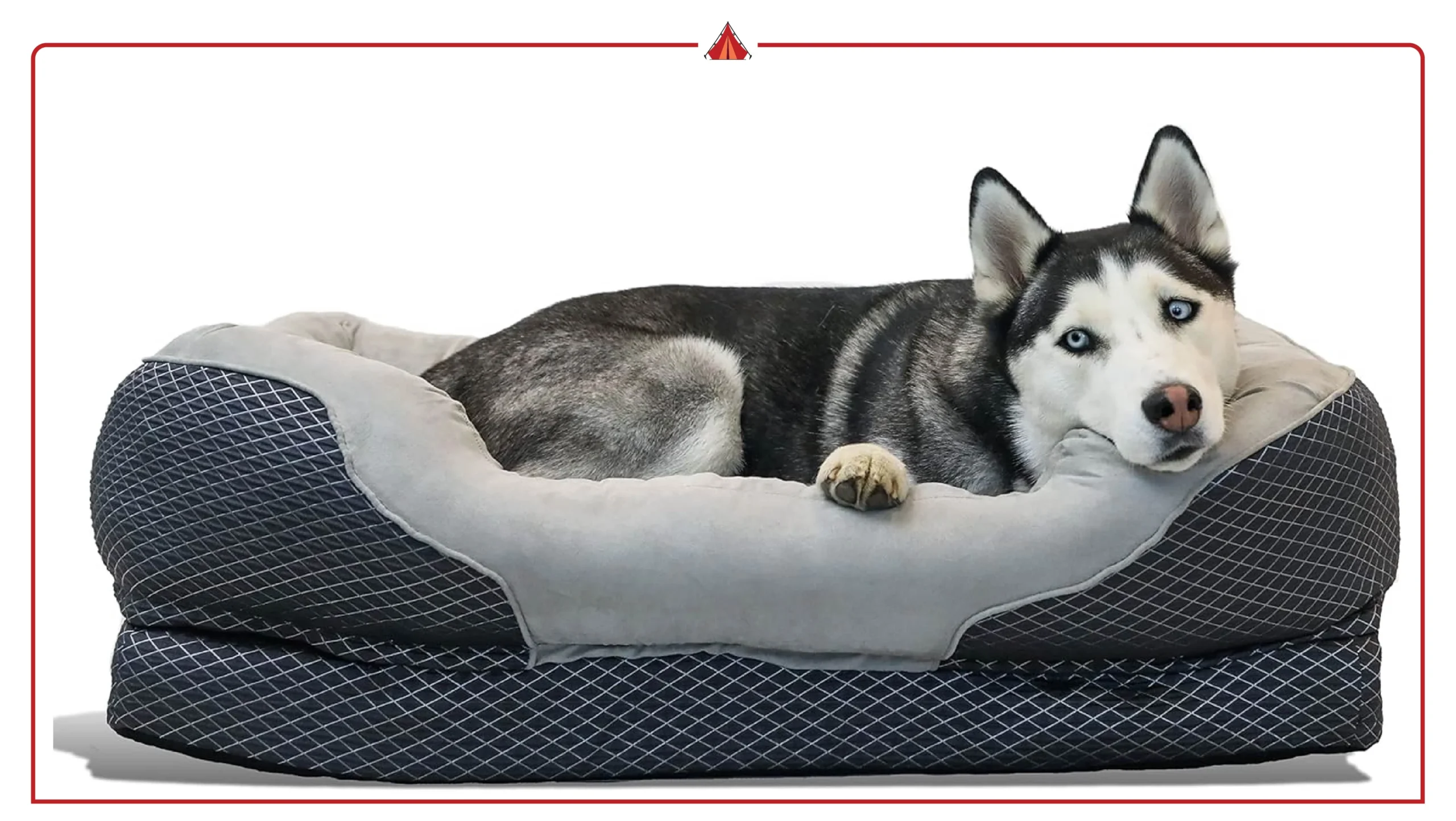
Why Choosing the Right Foam Matters for Your Dog
If you’ve ever watched your dog struggle to get comfortable, you know how important the right bed can be. For dogs with joint issues, arthritis, or hip dysplasia, an orthopedic bed isn’t a luxury — it’s a necessity. The right support can mean the difference between a restless night and a deep, pain-free sleep.
Two of the most common materials you’ll see when shopping for orthopedic dog beds are memory foam and egg crate foam. At first glance, they might look similar, but they perform very differently. Memory foam is known for contouring to the body and offering superior support, while egg crate foam is lightweight, breathable, and budget-friendly.
The challenge for most dog owners is figuring out which one actually meets their pet’s needs. Do you spend a little more for long-term durability and joint relief? Or do you go with the more affordable option that still gives decent comfort but may not last as long?
In this guide, we’ll break down the differences between memory foam and egg crate foam, compare their pros and cons, and highlight the best beds in each category so you can make a confident, informed choice for your dog.
Table of Contents:
- Quick Comparison: Memory Foam vs Egg Crate Foam Dog Beds ↴
- What Is a Memory Foam Orthopedic Dog Bed? ↴
- What Is an Egg Crate Foam Orthopedic Dog Bed? ↴
- Memory Foam vs Egg Crate Foam: Head-to-Head Comparison ↴
- Best Memory Foam Orthopedic Dog Beds (Top Picks) ↴
- Best Egg Crate Foam Orthopedic Dog Beds (Top Picks) ↴
- Which Orthopedic Dog Bed Should You Buy? ↴
- Care & Maintenance Tips for Orthopedic Foam Dog Beds ↴
- FAQs: Memory Foam vs Egg Crate Foam Dog Beds ↴
- Conclusion: Which Orthopedic Dog Bed Should You Choose? ↴
Quick Comparison: Memory Foam vs Egg Crate Foam Dog Beds
Sometimes it helps to see the differences side by side. Here’s a quick look at how memory foam and egg crate foam orthopedic dog beds compare on the features that matter most to dog owners:
| Feature | Memory Foam Orthopedic Dog Bed | Egg Crate Foam Orthopedic Dog Bed |
|---|---|---|
| Comfort & Support | Excellent pressure relief; molds to dog’s body; ideal for arthritis and hip dysplasia | Moderate support; cushions well but less contouring; better for light to medium dogs |
| Durability | Long-lasting, resists flattening over time | Tends to wear out faster, especially with heavier dogs |
| Price Range | Mid to high | Budget-friendly |
| Temperature Control | Retains more heat (can get warm in hot climates) | Allows more airflow, stays cooler |
| Best For | Senior dogs, large breeds, pets with chronic joint pain | Puppies, small breeds, dogs in warmer climates |
| Maintenance | Often comes with removable, washable covers | Also washable but foam breaks down quicker |
Quick Takeaway:
- Go with memory foam if your dog has arthritis, hip dysplasia, or you want a bed that lasts years.
- Choose egg crate foam if you’re on a budget, have a younger or lighter dog, or need something breathable for warm weather.
What Is a Memory Foam Orthopedic Dog Bed?
Memory foam was originally developed for NASA to reduce pressure on astronauts during takeoff, and the same technology has made its way into pet beds. In simple terms, memory foam is a dense material that responds to body heat and weight, molding itself around the dog’s shape. This creates an even distribution of weight, easing pressure on joints and muscles.
For dogs with arthritis, hip dysplasia, or chronic stiffness, memory foam can make a huge difference. Instead of sinking unevenly or lying on hard spots, your dog gets consistent support across the entire body. That’s why many vets recommend memory foam for older dogs or large breeds prone to joint issues.
Key Benefits of Memory Foam Dog Beds:
- Provides superior joint support and pressure relief
- Retains its shape longer than cheaper foams
- Reduces tossing and turning, leading to better rest
- Works especially well for senior dogs, large breeds, and dogs recovering from surgery
Potential Drawbacks:
- Can run warmer since it traps heat
- Heavier and less portable than other types
- Usually more expensive than egg crate foam options
Overall, memory foam is considered the “gold standard” for orthopedic dog beds. If long-term support and durability are at the top of your list, this type of bed is hard to beat.
Read Next: Ultimate Buyer’s Guide to the Best Orthopedic Dog Beds for Every Breed and Budget
What Is an Egg Crate Foam Orthopedic Dog Bed?
Egg crate foam gets its name from its bumpy, ridged surface that resembles the inside of an egg carton. Instead of a solid block of foam, the raised peaks and valleys spread out the dog’s weight and allow air to flow more freely through the bed.
While it doesn’t contour to the body the way memory foam does, egg crate foam still provides a cushioned surface that’s far more comfortable than sleeping on the floor or a thin mat. It’s also lightweight and usually more affordable, making it a popular option for dog owners who want orthopedic support without the higher price tag.
Key Benefits of Egg Crate Foam Dog Beds:
- Budget-friendly compared to memory foam
- Provides decent cushioning and comfort for light to medium dogs
- Better airflow, which helps keep dogs cooler in warm climates
- Lightweight and easy to move or travel with
Potential Drawbacks:
- Breaks down faster, especially under the weight of large or heavy dogs
- Offers less contouring support for arthritis or hip dysplasia
- May flatten over time and lose its orthopedic effectiveness
Egg crate foam beds are often a good choice for puppies, younger dogs, or breeds that don’t carry a lot of weight. They deliver comfort and cooling at a lower cost, but they may not be the best solution if your dog has advanced joint problems or needs strong, long-term support.
Memory Foam vs Egg Crate Foam: Head-to-Head Comparison
Now that we’ve looked at each foam on its own, let’s put them side by side. Choosing the right orthopedic dog bed isn’t just about comfort — it’s about matching the foam type to your dog’s health, size, and lifestyle.
Comfort & Support
- Memory Foam: Provides deep contouring, cradling joints and muscles. Ideal for arthritis, hip dysplasia, or dogs that struggle to get up after resting.
- Egg Crate Foam: Offers decent cushioning but less targeted support. Works fine for lighter dogs or those without major joint issues.
Winner: Memory foam — especially for senior or large dogs.
Durability & Longevity
- Memory Foam: Holds shape well, resists sagging, and can last for years with proper care.
- Egg Crate Foam: Breaks down more quickly, especially under heavy weight, and may need replacing within a year or two.
Winner: Memory foam — better value in the long run.
Price & Value
- Memory Foam: Higher upfront cost but pays off in durability and health benefits.
- Egg Crate Foam: Budget-friendly and accessible, though replacements add up over time.
Winner: Depends on budget. Egg crate foam wins for affordability; memory foam wins for overall investment.
Temperature Control
- Memory Foam: Tends to trap heat, which can make some dogs uncomfortable in warmer climates.
- Egg Crate Foam: Naturally cooler thanks to its airflow design.
Winner: Egg crate foam — best choice for dogs who run hot or live in warm areas.
Read Next: Best Orthopedic Dog Beds for Senior Dogs with Arthritis Relief
Best Memory Foam Orthopedic Dog Beds (Top Picks)
If memory foam sounds like the right fit for your dog, the next step is choosing a bed that delivers real value. Not all memory foam dog beds are created equal — some use high-density foam that lasts for years, while others flatten quickly or don’t provide enough thickness to truly be “orthopedic.”
Here are some of the best-rated memory foam orthopedic dog beds available today:
Best Overall: PetFusion Ultimate Memory Foam Dog Bed

- Why It Stands Out: Thick, high-density memory foam that actually supports large and senior dogs. Bolster sides give extra comfort for dogs who like to lean or curl up.
- Pros:
- 4″–6″ solid memory foam base depending on size
- Waterproof inner liner and machine-washable cover
- Stylish design that fits in most homes
- Cons: Higher price point than budget options
- Best For: Large breeds, senior dogs with arthritis, owners looking for long-term durability
Best Budget-Friendly: Furhaven Orthopedic Memory Foam Bed
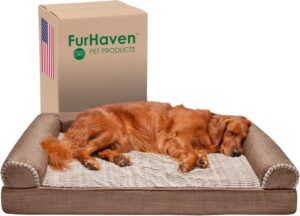
- Why It Stands Out: Delivers real memory foam support at a much lower price than premium brands. Multiple shapes and sizes available.
- Pros:
- Affordable without sacrificing comfort
- Removable, washable cover
- Available in sofa, mattress, or chaise designs
- Cons: Foam isn’t as thick or long-lasting as higher-end options
- Best For: Puppies, small to medium dogs, budget-conscious buyers
Best for Heavy Dogs: Big Barker 7″ Pillow Top Orthopedic Dog Bed

- Why It Stands Out: Specifically engineered for large and giant breeds. Backed by a clinical study showing improved joint function in big dogs.
- Pros:
- Massive 7″ orthopedic-grade memory foam
- Does not flatten over time
- Machine-washable microfiber cover
- Cons: Only available for large/giant dogs; premium pricing
- Best For: German Shepherds, Great Danes, Mastiffs, and other large breeds
Best Cooling Option: BarksBar Orthopedic Memory Foam Bed

- Why It Stands Out: Combines thick memory foam with a quilted cover designed for breathability. Bolstered edges add neck support.
- Pros:
- Solid memory foam base with grooved design for airflow
- Easy to clean with removable cover
- Softer price point than luxury brands
- Cons: Not as durable for very heavy dogs
- Best For: Dogs that overheat easily, moderate chewers, owners looking for comfort at a fair price
Read Next: Furhaven vs PetFusion: Which Orthopedic Dog Bed Is Worth Your Money?
Best Egg Crate Foam Orthopedic Dog Beds (Top Picks)
Egg crate foam beds are popular for their budget-friendly price tags and cooling airflow. While they don’t provide the deep contouring of memory foam, they can still give your dog a comfortable resting spot — especially if you have a puppy, a lighter breed, or live in a warmer climate.
Here are some of the best egg crate foam options worth considering:
Best Value: Furhaven Egg Crate Orthopedic Dog Bed
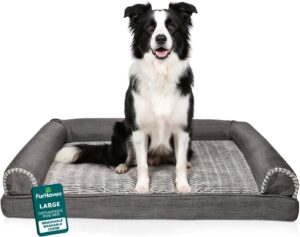
- Why It Stands Out: One of the most affordable and widely used egg crate foam beds on the market. Available in multiple shapes (sofa, chaise, mattress) to fit your dog’s sleeping style.
- Pros:
- Lightweight and easy to move
- Removable, machine-washable cover
- Many styles and colors to match home décor
- Cons: Foam breaks down faster with heavy or senior dogs
- Best For: Puppies, small to medium dogs, budget-conscious households
Best Cooling Option: Frisco Plush Orthopedic Pet Bed with Egg Crate Foam
- Why It Stands Out: Designed with airflow in mind, making it a great choice for warm climates. The soft plush top adds comfort without overheating.
- Pros:
- Breathable egg crate foam keeps dogs cooler
- Affordable pricing
- Non-slip bottom helps keep it in place
- Cons: Foam is thinner compared to premium beds
- Best For: Dogs who sleep hot, warm-weather homes, light to moderate use
Best for Small Spaces & Crates: MidWest Homes Deluxe Egg Crate Orthopedic Bed
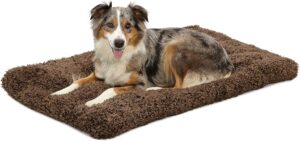
- Why It Stands Out: Sized to fit inside standard crates, making it a good pick for travel or kennel-trained dogs.
- Pros:
- Fits most crates perfectly
- Lightweight and easy to carry
- Soft synthetic fur cover adds coziness
- Cons: Not ideal for large or heavy dogs
- Best For: Small breeds, crate-trained dogs, apartment living
Which Orthopedic Dog Bed Should You Buy? (Decision Guide)
By now, you’ve seen how memory foam and egg crate foam compare — but the real question is: which one is the better choice for your dog? The answer depends on your pet’s age, size, health, and even where you live.
Here’s a quick guide to make the decision easier:
- Choose Memory Foam If:
- Your dog has arthritis, hip dysplasia, or other joint problems
- You own a large or giant breed that needs strong support
- You want a bed that lasts several years without flattening
- You’re willing to invest a little more for long-term value
- Choose Egg Crate Foam If:
- Your dog is young, healthy, and doesn’t need deep joint support yet
- You own a small to medium breed
- You live in a warmer climate where cooling airflow matters
- You’re on a budget or need a lightweight, portable option
Bottom line:
- For long-term orthopedic health and durability, memory foam is the clear winner.
- For affordability, cooling, and lighter use, egg crate foam can be a practical choice.
If your dog is already struggling with mobility or stiffness, it’s worth spending more on a solid memory foam orthopedic bed. But if you’re buying for a puppy or want a budget-friendly option, an egg crate foam bed will do the job.
Read Next: Top 10 Affordable Orthopedic Dog Beds Under $100 (Budget Buyer’s Guide)
Care & Maintenance Tips for Orthopedic Foam Dog Beds
Investing in a quality dog bed—whether memory foam or egg crate foam—pays off best when you know how to take care of it. Proper maintenance not only extends the life of the bed but also keeps your pup comfortable and your home cleaner. Here are some simple but effective tips:
1. Use a Washable, Waterproof Cover
- Most orthopedic dog beds come with removable covers. Look for covers that are machine-washable and waterproof to protect the foam from accidents, drool, and dirt.
- If your chosen bed doesn’t include one, consider buying a universal waterproof liner—it can save you from having to replace the foam prematurely.
2. Vacuum Regularly
- Pet hair, dander, and dust naturally build up in the fabric. A quick weekly vacuum prevents odors and keeps allergens under control.
- For memory foam beds, vacuuming also helps reduce the buildup of fine debris that can slowly break down the foam.
3. Spot-Clean Stains Quickly
- Use a mild pet-safe cleaner for any spills or accidents. Avoid harsh chemicals, as they can degrade the foam and may irritate your dog’s skin.
- For stubborn odors, sprinkle a bit of baking soda on the bed before vacuuming.
4. Rotate the Bed
- Dogs tend to sleep in the same spot night after night. Rotating or flipping the bed (if possible) every couple of weeks helps even out wear and tear, especially on egg crate foam.
5. Replace When Needed
- Even the best orthopedic dog beds won’t last forever.
- Memory foam usually lasts 3–5 years before losing firmness.
- Egg crate foam often needs replacing within 1–2 years.
- If you notice sagging, lumps, or your dog avoiding the bed, it’s time for an upgrade.
FAQs: Memory Foam vs Egg Crate Foam Dog Beds
1. Which foam type is better for older dogs with arthritis?
Memory foam is generally the better choice for senior dogs with arthritis or joint pain. Its ability to contour around pressure points provides consistent support that reduces discomfort. Egg crate foam can help with airflow and light cushioning, but it often compresses faster under a heavy or aging dog.
2. Are egg crate foam dog beds cheaper than memory foam?
Yes. Egg crate foam beds are more affordable, making them appealing for budget-conscious pet owners or as a secondary bed. However, keep in mind that the lower price often comes with a shorter lifespan and less long-term support.
3. Do orthopedic dog beds really help with hip dysplasia?
They can help manage symptoms. A high-quality memory foam bed won’t cure hip dysplasia but can ease discomfort by reducing pressure on the hips and joints. For serious cases, vets often recommend investing in dense memory foam rather than egg crate foam.
4. How do I know when to replace my dog’s orthopedic bed?
Signs it’s time for a replacement include:
- Sagging or uneven foam
- Your dog avoiding the bed
- Bed not bouncing back after use
- Persistent odors even after washing
Memory foam typically lasts 3–5 years, while egg crate foam often needs replacing after 12–24 months.
5. Is memory foam too hot for dogs that overheat?
It can be. Memory foam retains heat, which isn’t ideal for breeds that run warm. If your dog tends to overheat, look for cooling gel-infused memory foam beds or choose an egg crate foam bed with breathable fabric for better airflow.
6. Which is easier to clean: memory foam or egg crate foam beds?
Cleaning mostly depends on the cover material. Both types of foam should be protected with a waterproof, removable cover. Memory foam is denser and less likely to trap odors, while egg crate foam can absorb moisture more easily if left unprotected.
7. Should I choose memory foam or egg crate foam for large breeds?
For large and giant breeds, memory foam is the better investment because it won’t compress as quickly under their weight. Egg crate foam may lose support too soon, leading to discomfort.
Conclusion: Which Orthopedic Dog Bed Should You Choose?
Both memory foam and egg crate foam dog beds have their place, but the best choice really depends on your dog’s needs and your budget.
- If your dog is older, arthritic, recovering from surgery, or a large breed, a memory foam bed is the smarter investment. Its contouring support can make a world of difference in comfort, mobility, and overall health.
- If your dog is younger, sleeps warm, or you’re looking for an affordable everyday bed, an egg crate foam bed offers comfort and breathability without stretching your budget.
When making your decision, think about your dog’s age, weight, health, and sleeping habits. Spending a little more upfront on the right orthopedic bed often saves money (and vet visits) in the long run.
Our Recommendation: For long-term joint support and durability, a high-quality memory foam orthopedic bed is the clear winner. If you’re budget-conscious or buying a secondary bed, an egg crate foam option can still be a great fit.
The best bed is one your dog will actually use and love. Giving them the right support means better rest, easier movement, and a happier, healthier life.